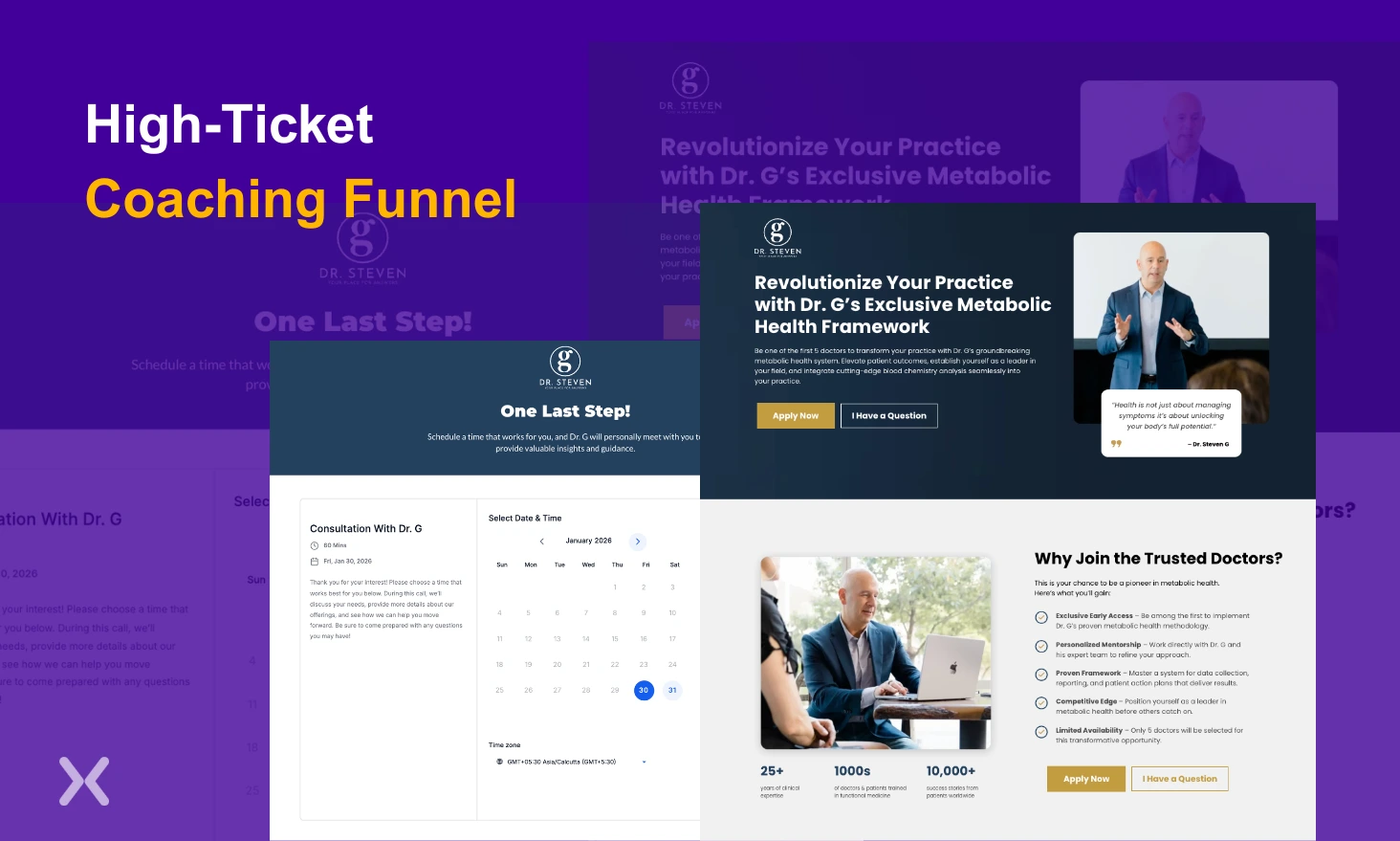
Landing pages and website landing page size in pixels are one of the most overlooked conversion drivers in 2026. The landing page size you choose , both on desktop and mobile can significantly impact user experience, readability, loading performance, and ultimately your CRO results. Getting your landing page dimensions right, from desktop width to landing page banner size, makes sure that visitors view your content exactly as intended, no matter the device. Landing pages are essential to any product or service’s online presence. They are the first point of contact between a potential customer and a brand. Now, imagine the impact of the landing page size on user experience and conversion rates. As a marketer, you aim to provide a smooth user journey for your visitors. An off-size landing page can mess with aesthetics, image charm, loading speed, and the overall experience. Get the landing page dimensions right, and visitors will smoothly sail through your brand story, making that desired action a breeze. In this blog post, we’ll learn the right landing page size for different devices so you can size up your next landing page like a pro.
What is the standard landing page size in 2026?
Landing page size varies between desktop landing page size and mobile landing page size, and both affect how visitors engage with your content.
Landing page size for desktops
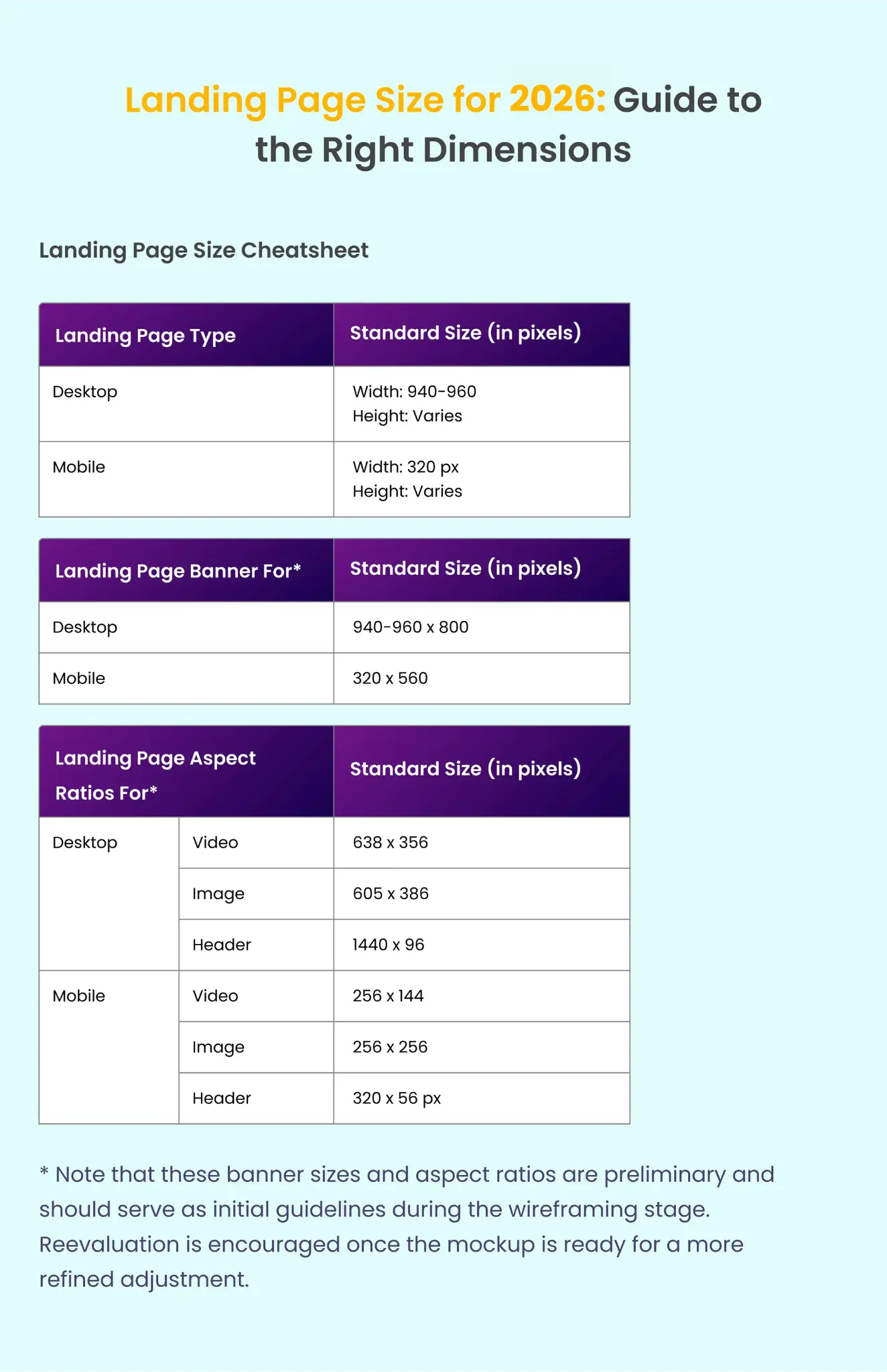
It is recommended to stick with a width size between 940 - 960 pixels for your desktop landing page.
Desktop landing page size in pixels
-
Recommended website landing page size in pixels (content width): 940-960px, this range has become the industry standard for high‑converting landing pages.
-
Full frame layout may extend up to 1440px, but core content and forms should stay within 960px to avoid extra white space or horizontal scrolling.
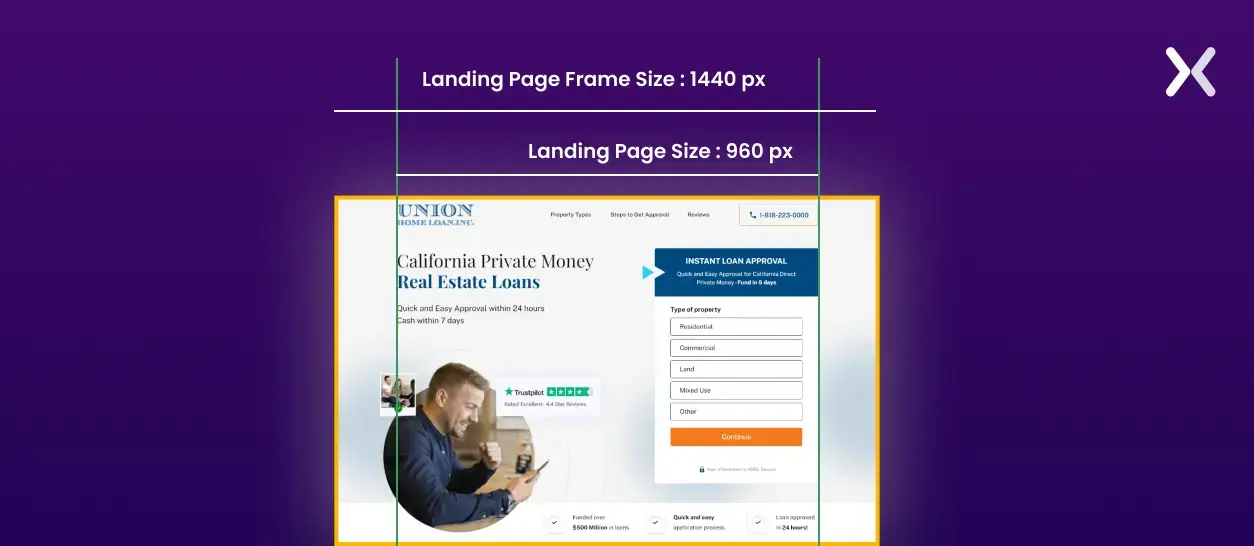
This landing page size in pixel range has been proven to work for most screen sizes and will make sure that your landing page is easily viewable by your target audience.
It will also help to prevent any additional side-scrolling or white space from appearing on your page, allowing you to present your content in an attractive and easily accessible manner. At Apexure, we use Unbounce for landing page creation and usually build on a 1280px page frame, unless our clients specify otherwise. The two numbers don’t conflict: 1280px is the canvas, while the headline, form, and CTA still sit inside the 940-960px content width recommended above, with the background filling the extra room on either side.
Not sure why your landing page isn't converting?
Send us the URL. We record a short video showing what is costing you conversions and email it back within three working days.
Need a new page built instead? Get a fixed quote.
Mobile landing page size and mobile optimization
For mobile landing page size in pixel. It’s necessary to have a landing page optimized for smaller screen sizes. A large desktop landing page may not display properly on a mobile device, with content overflowing the sides or becoming too small to read. The narrowest screen width still in common use is 320 pixels, and while most current phones are wider, it’s recommended to design landing pages with that minimum in mind: content that fits at 320 pixels fits on every phone. The mobile landing page frame size for mobile, according to standards, is 393x852px, where the height can vary according to the design.
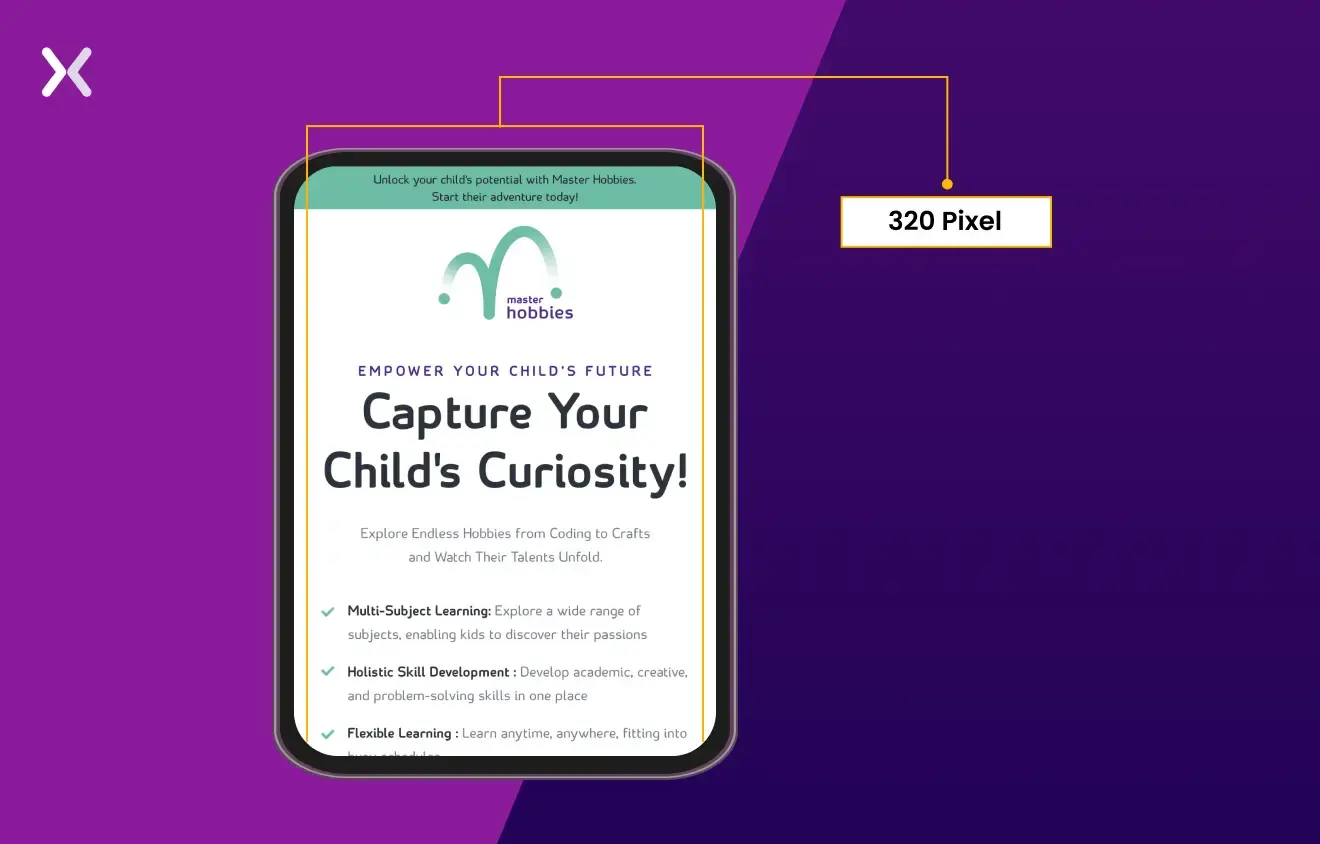
Even though today’s mobile devices have larger displays, all of them can display a landing page built to a 320-pixel content width. The height of the landing page on mobile devices is less important, because a visitor only ever sees one screen of content at a time and scrolls for the rest, so what sits in that first screen matters more than the total length. By keeping your mobile landing page size to these specifications, you can make sure that your content will be easily viewable by your target audience on their mobile devices.

What is the landing page banner size?
A landing page banner is a prominent, attention-grabbing image positioned at the top of a webpage. It aims to immediately capture your focus, presenting essential information or prompting specific actions, such as signing up or exploring a product. Also known as above-the-fold of the landing page, this part of the page is necessary as it is the first this a visitor sees when they come to your landing page. So it needs to be the perfect size for all screen sizes.
Desktop landing page banner size in pixels
The standard landing page banner size for desktops is typically 940-960x800 px, balancing visual appeal and compatibility with various screen resolutions. Please be aware that the background image used for landing page banners can match the width of the landing page frame, reaching up to 1440px. However, the essential components of the landing page banner, such as the heading, subhead, hero shot, form, and click-to-call (CTA) button, are confined within the 940-960 px range.
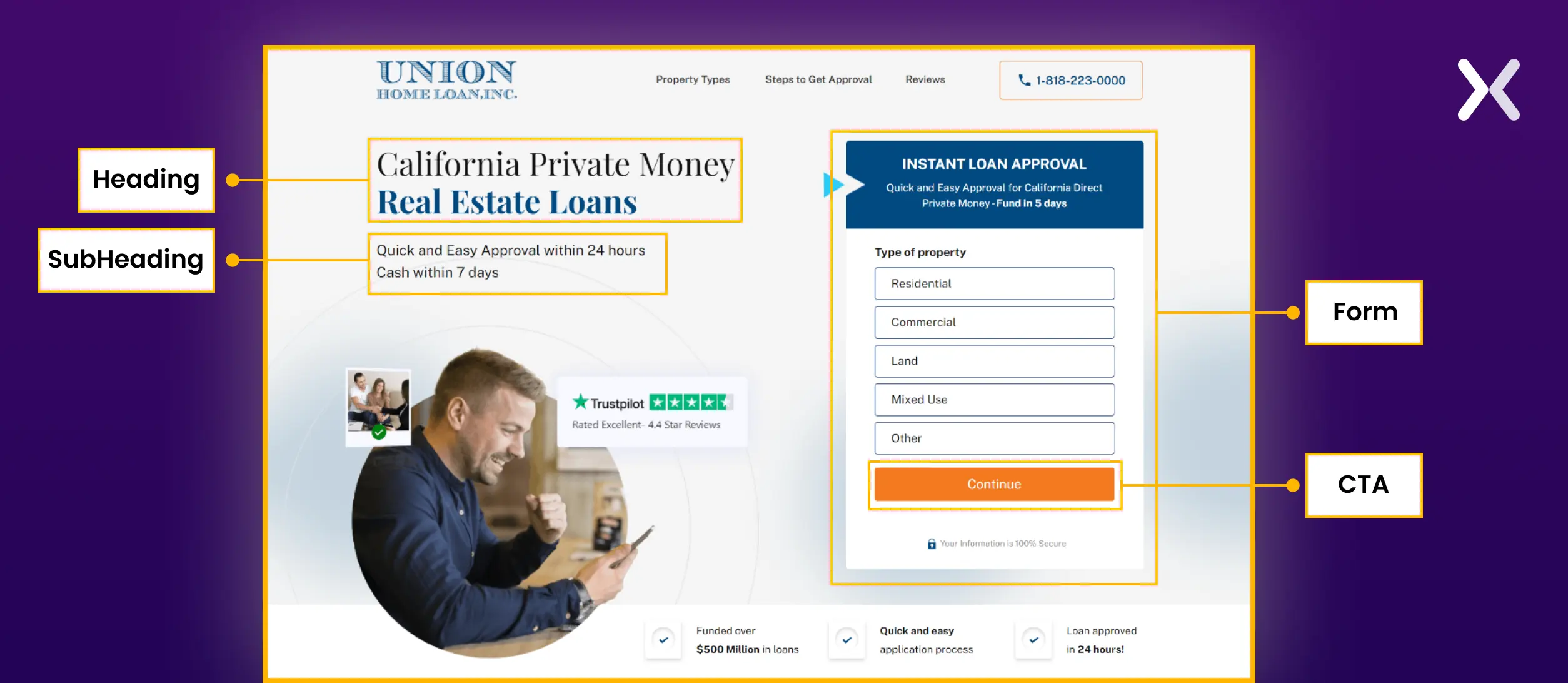
Ultimately, a well-crafted banner entices users to explore the page and nudges them towards conversion. However, it’s important to note that the height of the banner can vary based on specific design requirements and preferences.
Mobile landing page banner size in pixels
The mobile landing page banner is generally sized around 320x560 px, with potential height variations based on design preferences. Here again, the banner’s background image can have a width of 393 px, but the essential components must remain inside the 320 px width.
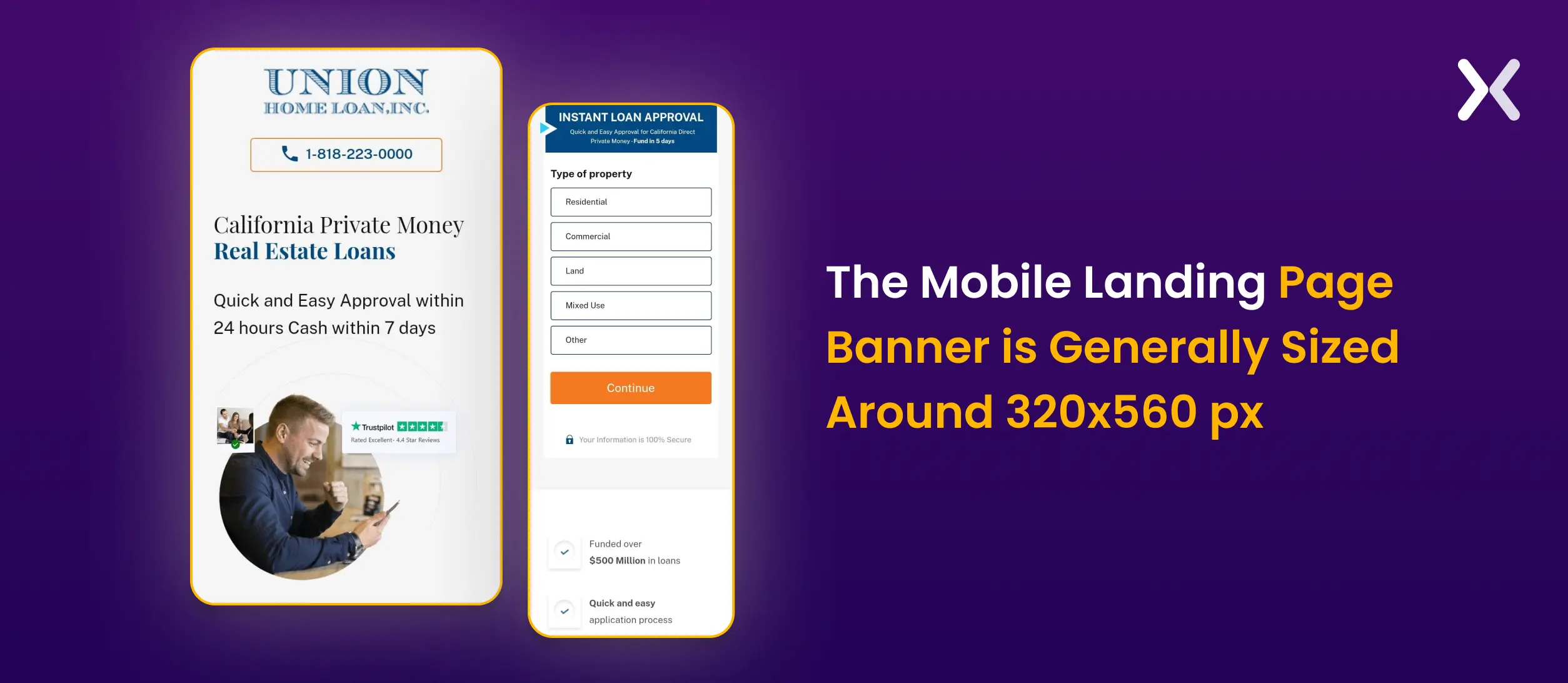
In contrast to the desktop version, the components of a mobile landing page banner, such as header, subhead, form, and CTA, may undergo adjustments based on the banner’s significance for mobile users.

What is the best aspect ratio for a landing page?
Confusion around the size of various elements on a landing page can also be there. So, we will clear them up too. We will discuss the aspect ratio of three elements on a landing page, which are video, image, and header.
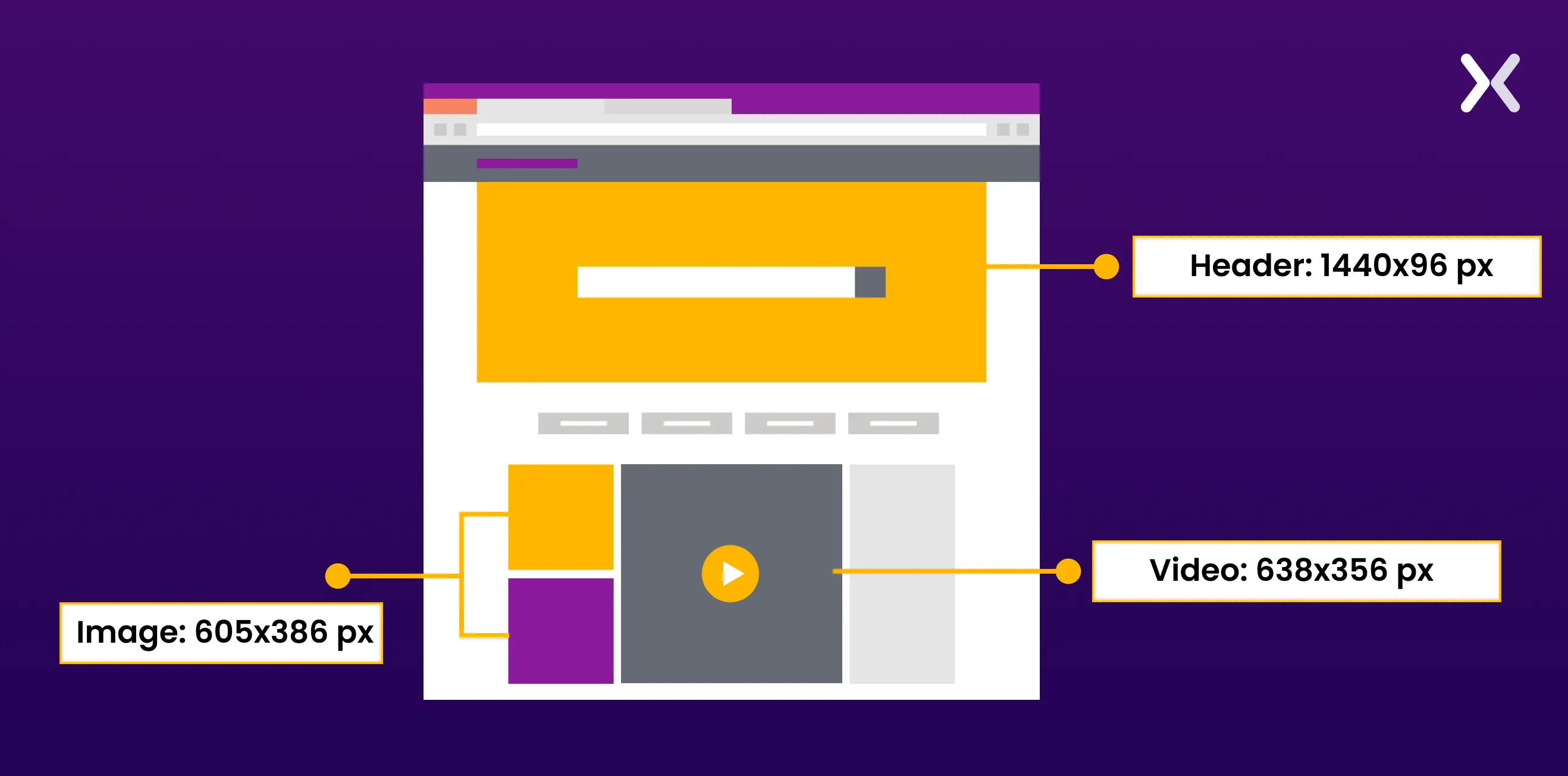
Aspect ratio for desktop landing pages
Here are the aspect ratios for a desktop landing page:
-
638x356 px
-
605x386 px
-
1440x96 px
Aspect ratio for mobile landing pages
Here are the aspect ratios for the mobile landing page:
-
256 x 144 px
-
256 x 256 px
-
320x56 px
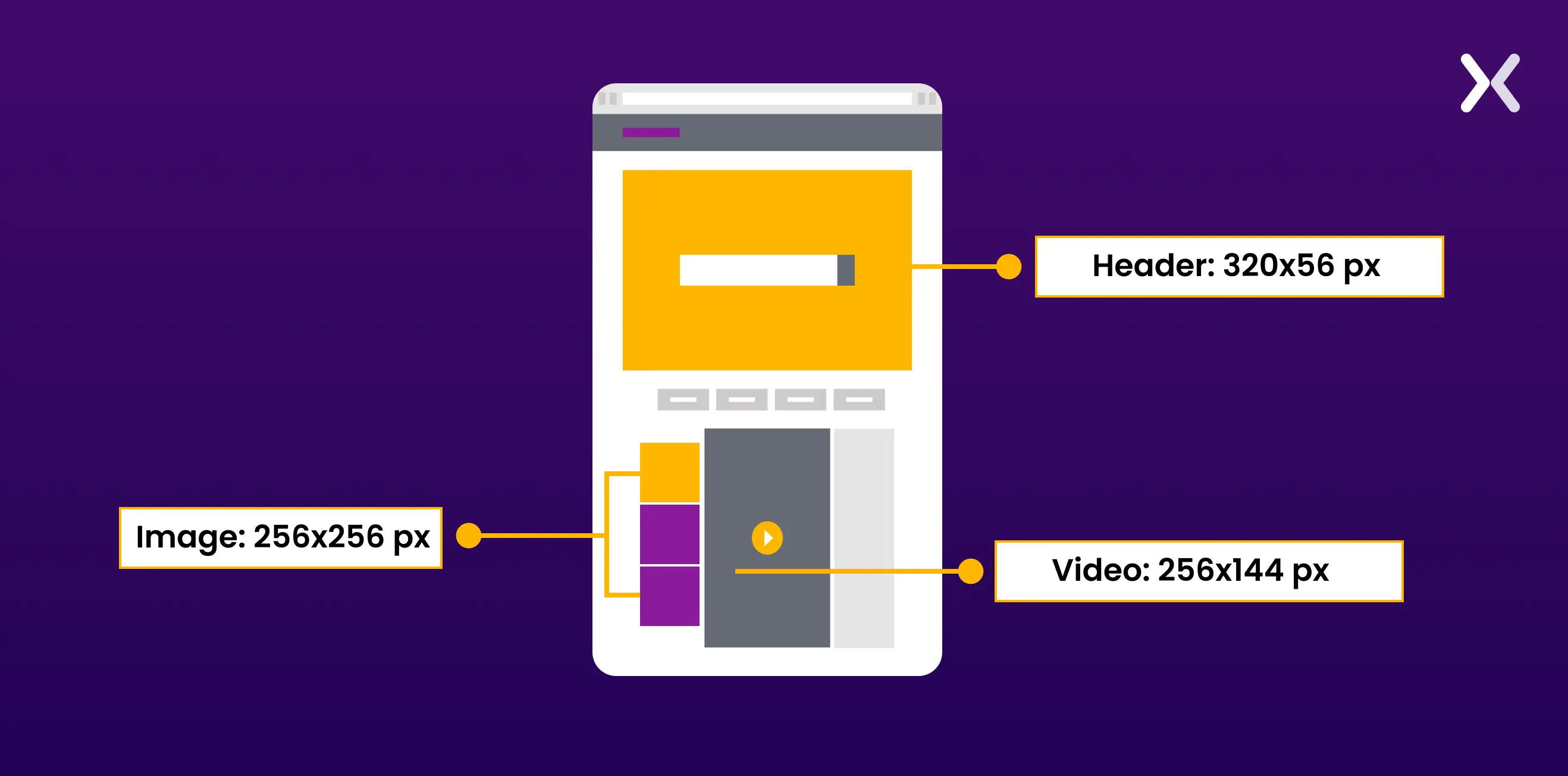
Please keep in mind that these aspect ratios are not final. They can be used as a standard size for starters during the wireframing process and can further be revisited once the mockup is prepared. Make sure your thank you page matches the dimensions of your landing page to maintain consistent design when a visitor converts into a lead.
What is the ideal landing page file size?
The optimal file size for a landing page varies based on elements like images, gifs, or videos. It’s advisable to keep it under 2 MB to preserve page speed and make sure a smooth user experience.
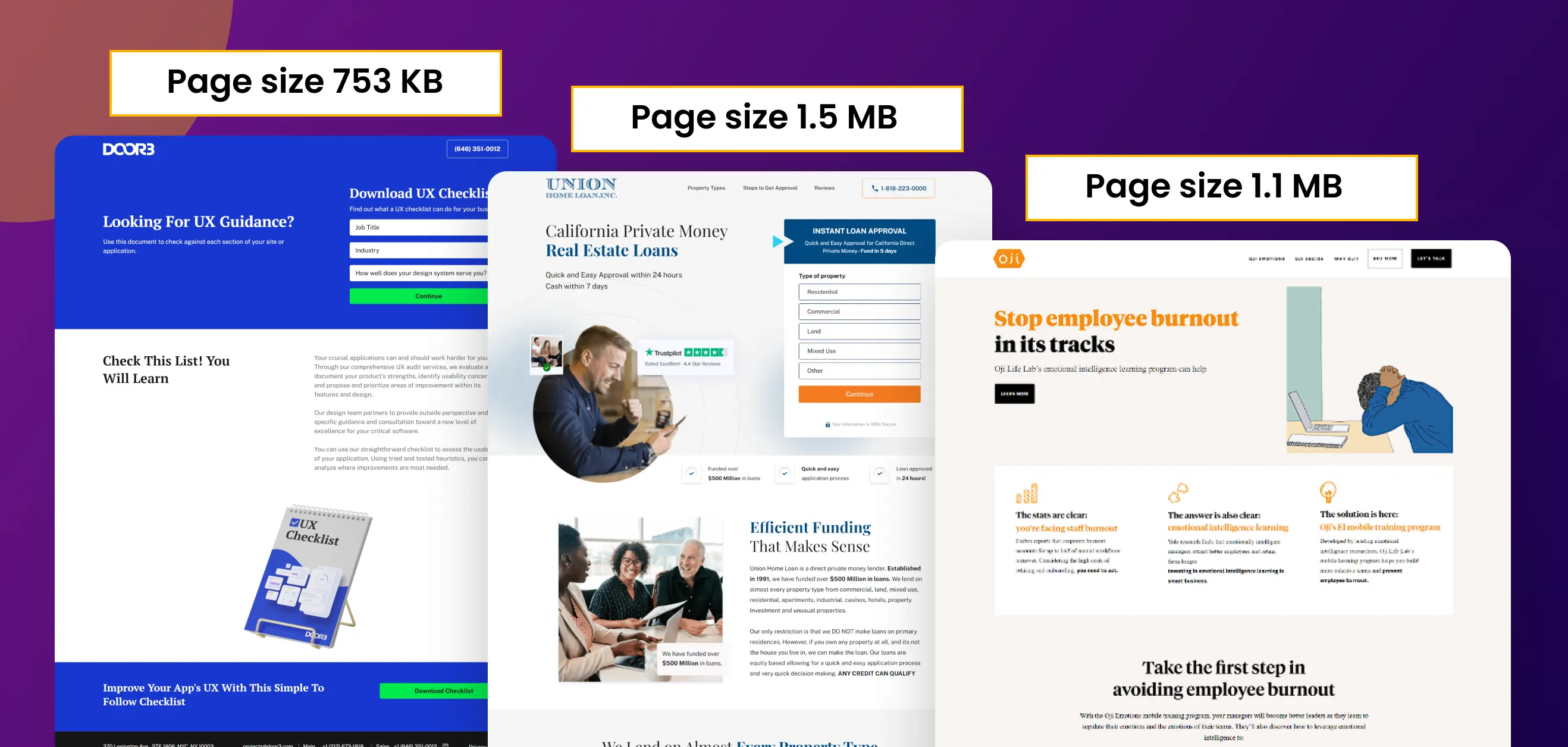
To determine the file size of a landing page, consider using Pingdom.
Factors that define your landing page dimensions
It’s essential to consider various factors, such as the target audience, device type, and content when determining the right size for your landing page. A well-optimized landing page provides valuable information in a clean and concise layout. Considering the increase in mobile users, landing page size becomes all the more important to accommodate desktop and mobile screens. The right landing page size for your target audience depends on their preferences and device usage. Use data from Google Analytics to understand factors such as the devices used, the amount of information needed, and the desired presentation style (minimalist or content-heavy) to determine the appropriate landing page dimensions.
The length of the landing page may vary depending on the content and target audience. Whether a short or long form landing page, the width must remain the same to deliver consistent resolution throughout the projects.
What is responsive landing page design?
It can look like a big task to design for both desktop and mobile with the right landing page size and other elements. Here, an understanding of responsive landing page design can help you. Responsive design refers to the landing pages that adapt to the size and orientation of the device they are being viewed on. In other words, a responsive landing page will automatically adjust its layout, text size, images, and other elements to fit the device’s screen size. It allows users to access content on any device, whether a desktop, tablet, or smartphone, and have an optimal viewing experience.
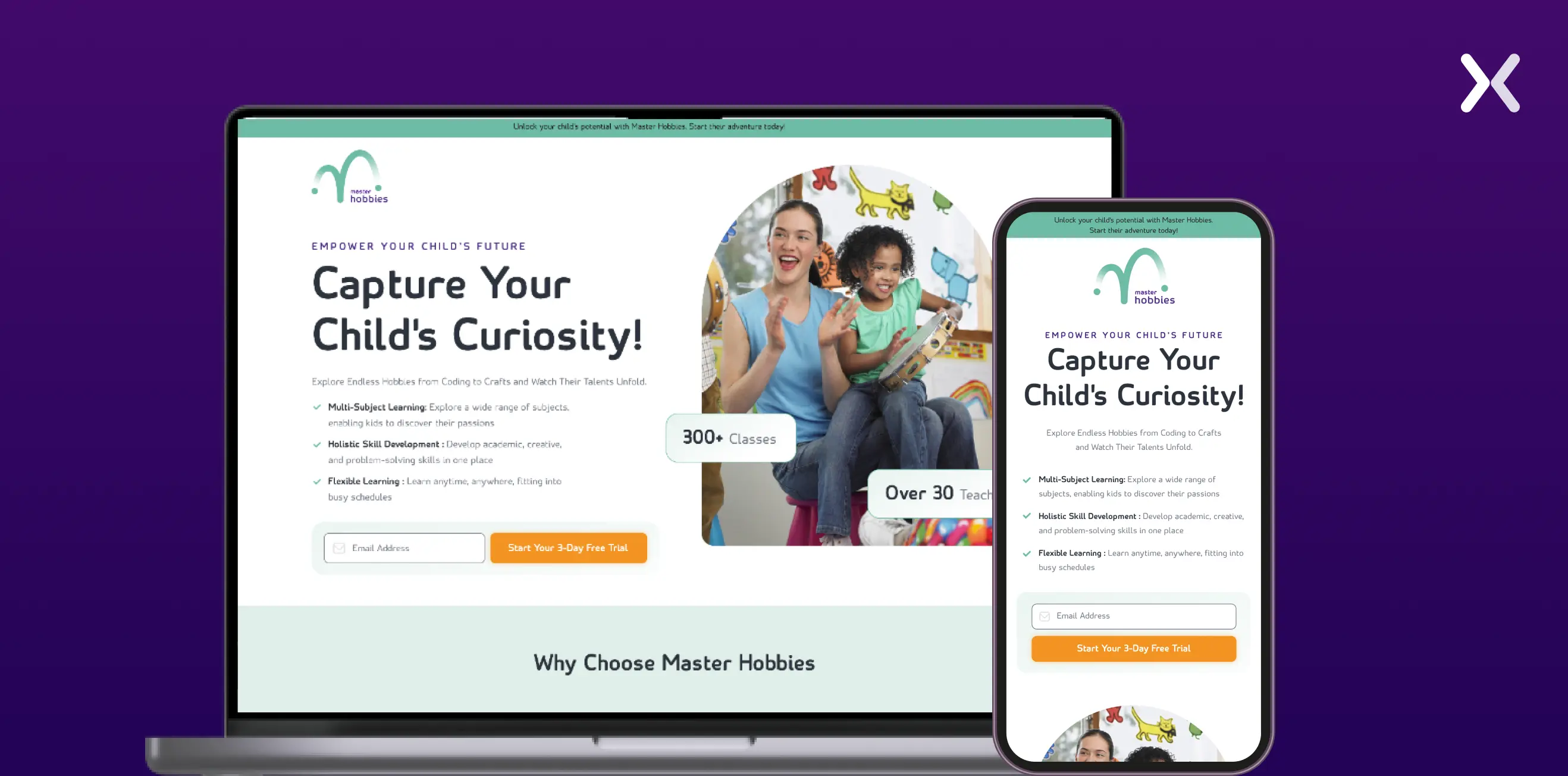
By using responsive design, marketers can make sure that their landing page is accessible and usable on all devices without creating separate versions for different screen sizes and orientations. It improves the user experience and helps with search engine optimization, as having a single, responsive landing page is preferred over having separate desktop and mobile versions.
Aiming to create High-Converting landing pages?
Our experienced landing page designers consider necessary elements in creating personalized and effective landing pages for our clients. Invest in a professional design to maximize the impact of your marketing efforts and improve your chances of success. Don’t miss out on the opportunity to drive conversions and achieve your marketing goals with a custom landing page. Share your queries today!
What you should do now
Found this blog post helpful? Here are more ways in which we can help your B2B business grow:
- Learn our strategies
Landing page size is just the start. Learn from over 100+ blog posts on landing pages, CRO, and much more to make your upcoming marketing campaigns conversion-ready.
- Partner with our experts
Making sure your landing page is the right size is necessary to get your funnel off to a good start. Don’t let such a tiny thing hinder your conversions. Book a call with one of our experts and get the right start.
- Get inspired today
Want to understand landing page size and banners in-depth? Check- out our portfolio, which consists of numerous landing pages that will help you get the right picture.
Frequently asked questions
Optimize your desktop landing page between 940-960 pixels for varied screen sizes. For mobile, target a 320-pixel width to ensure proper display on smaller screens. Height varies according to the design for both mobile and desktop landing pages.
The recommended sizes for a landing page header are 1440x96 pixels for desktop and 320x56 pixels for mobile. Height may vary depending on your design requirements.
For a landing page, a desktop image size of 605x386 pixels balances visual appeal and loading speed. On mobile, a smaller size, like 256x256 pixels, is ideal to optimize for smaller screens and faster loading times.
Learn More About Landing Pages:
-
8 Long-Form Landing Page Examples That Deliver Leads & Sales
-
Landing Page Design Cost Break Down: Comparisons & Solutions
-
Advertorials 101: A Detailed Guide to Design and Best Practices

Waseem founded Apexure in 2015 and has led its work on 3,000+ pages for 300+ clients since. He writes about what the team sees after the click, which is pages, forms, tracking and the systems behind them.