Interactive microsites or conversion-centered landing pages - a dilemma of many marketing managers. Both microsites and landing pages are digital gateways to captivate and engage visitors, and that’s why they are often confused as synonyms. It becomes necessary to understand the unique strengths and objectives of each tool in the context of a campaign’s goal. Let’s compare microsites and landing pages to determine where they fit in your marketing budget and which option is most suitable for your upcoming campaigns.
What is the difference between a microsite and a landing page?
The primary distinction between a microsite and a landing page lies in their respective focuses: landing pages prioritize conversions, and microsites focus on a broader range of content and objectives.
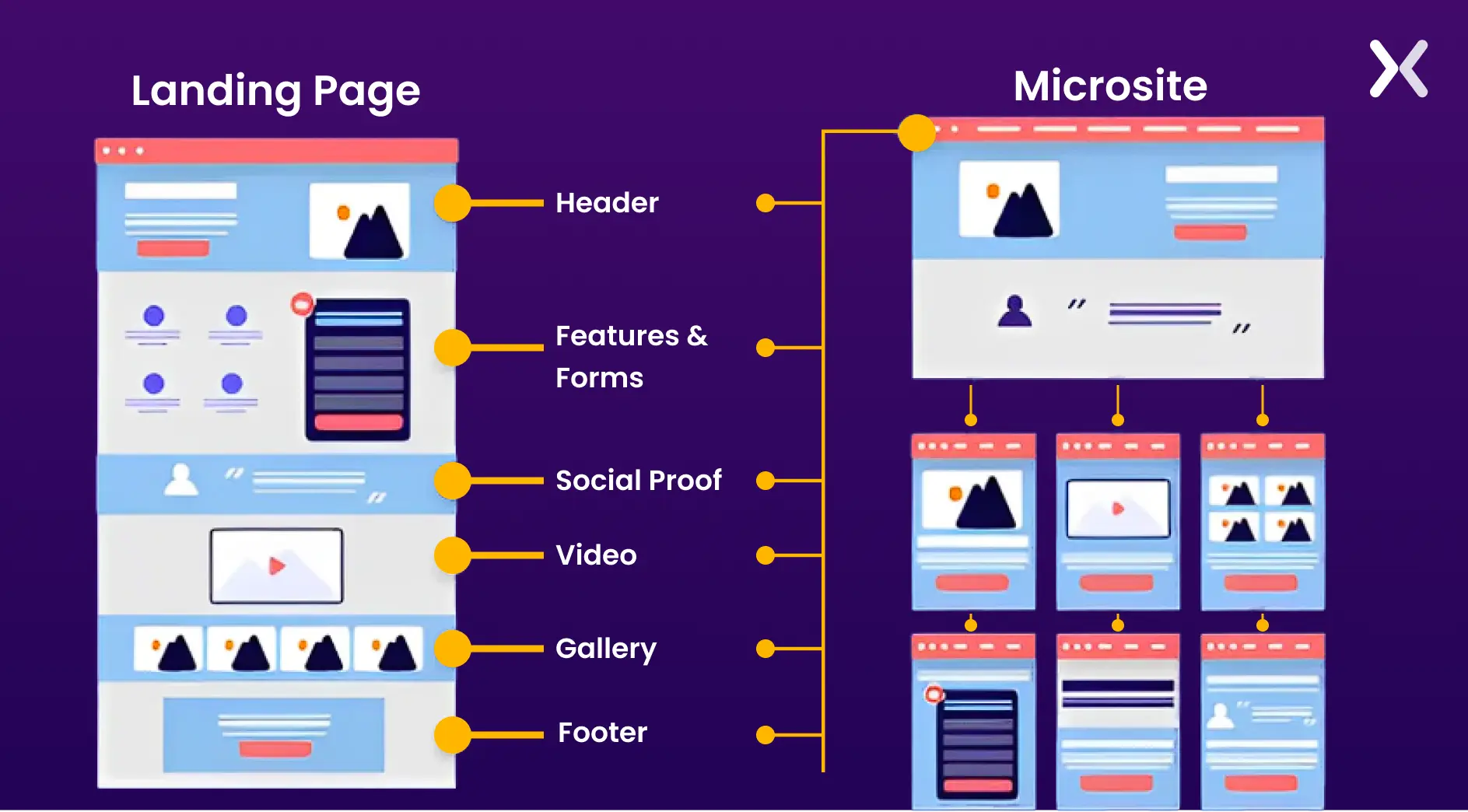 Other differences include:
-
Microsites incorporate numerous external links, whereas landing pages typically have none.
-
Microsites can support both SEO and PPC advertising, whereas landing pages are particularly effective for PPC campaigns, yielding higher return on investment (ROI).
-
Microsites may feature multiple calls to action (CTAs), while landing pages typically stress a single CTA. The above differences between microsites and landing pages just scratch the surface. Landing pages and microsites can have a positive effect on your brand and your marketing initiatives. Here it becomes important to understand how both provide a different “landing experience”.
We will understand all in detail. Starting from the basics.
Understanding microsite vs landing page through definitions
Determining the difference between a landing page and a microsite is key. Let’s start by defining each.
What is a Microsite?
Microsites are standalone small websites that are created to fulfill a specific purpose, often as part of a larger marketing campaign. They can be hosted on subdomains or completely separate domains from the brand’s main website. Unlike a company’s primary website, which typically covers all aspects of the business, microsites focus on single topics, products, or events. They are designed to provide targeted information to a specific audience and can feature interactive elements and unique branding. Microsites are commonly used to launch new products, promote events, or support marketing campaigns with a distinct message or goal. They offer flexibility and customization, allowing businesses to experiment with different approaches without affecting their main website’s structure or branding.
Difference between microsite and website
Websites are full platforms that cover all aspects of a business, serving a broad audience with a hierarchical structure and multiple pages. On the other hand, microsites are specialized websites designed for specific purposes or campaigns, focusing on a single topic and targeting specific audience segments with a simpler structure and fewer pages. Let’s understand the above with an example. Here we have Redbull’s main website dedicated to all the different aspects of the company. It talks about recent events, products, etc.
 In contrast, their microsite, “Atrun,” hosted as a subdomain under their main domain at atrun.redbull.com, is dedicated to presenting their latest documentaries featuring athletes, with the current focus being on Braden Currie.
 The page offers multiple calls to action (CTAs), inviting visitors to explore Braden Currie’s documentary, dig into his training method, and check out the gear he uses.
What is a landing page?
A landing page is a hyper-focused page explicitly designed to get users to take action, whether it’s downloading, signing up, purchasing, or some other call-to-action. It’s not attached to the navigation of your website, nor does it have connections that could drive your prospects off the page.
 So, the only option it leaves your visitors with is to engage and convert.
By removing distractions and providing a clear path to conversion, landing pages have a higher chance of capturing leads and driving conversions than regular website pages. They are carefully crafted to match the messaging and intent of the marketing campaign that drove the visitor to the page in the first place.
So, the only option it leaves your visitors with is to engage and convert.
By removing distractions and providing a clear path to conversion, landing pages have a higher chance of capturing leads and driving conversions than regular website pages. They are carefully crafted to match the messaging and intent of the marketing campaign that drove the visitor to the page in the first place.
How are website and landing pages different?
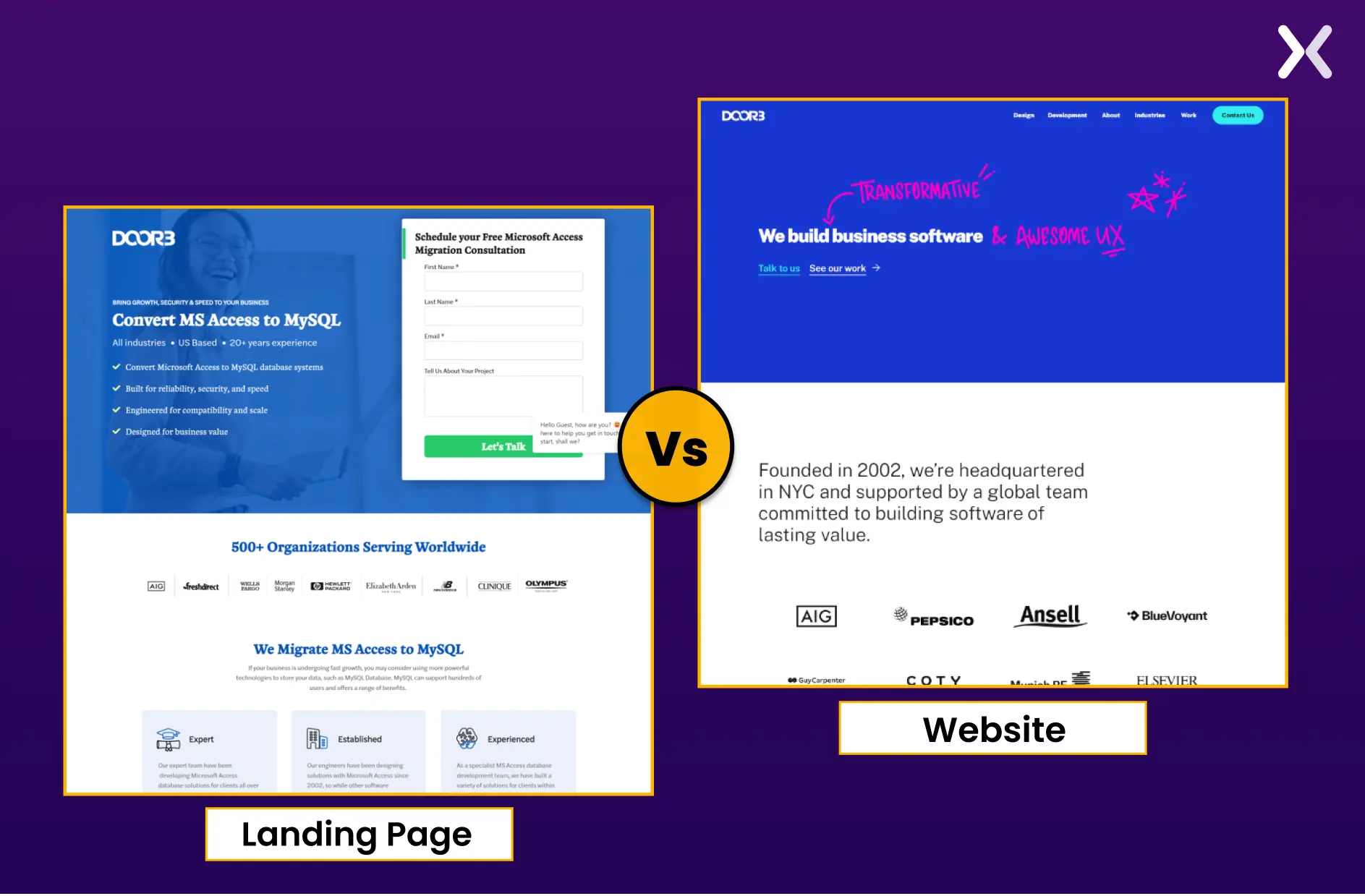
Don’t confuse your website with microsites and not also with landing pages. Websites focus on establishing brand awareness and offering full information about the business. In contrast, landing pages are specifically designed to generate quality leads and drive sales. While landing pages are designed with a singular purpose in mind: to encourage visitors to take immediate action, websites typically contain extensive information about the company.
When to use microsites vs landing pages
Achieving success in a marketing campaign relies heavily on crafting a engaging user journey. Knowing your target audience and defining the desired action you want them to take are vital factors in deciding whether to incorporate a microsite or a landing page into your user experience.
When to use microsites?
Microsites are primarily used for specific purposes, which extend beyond conversion alone. They are platforms for various objectives, such as improving brand awareness, promoting activism, exploring new business verticals, and much more. They also prove reliable for selling high-ticket products or services that necessitate building awareness among the target audience before the final pitch. This is because microsites offer more pages to cover your topic thoroughly. Essentially, microsites offer a method to establish a structured online presence, allowing brands to present different facets independently and with greater precision. Here’s a cool example to understand the above. Patagonia has a website for all its amazing recreational outdoor clothes, where you can learn about its history, products, and much more.

They maintain a microsite on a subdomain dedicated to raising awareness against building dams in the Balkan region. This microsite contains all the pertinent details and calls-to-action related solely to the cause, not Patagonia.

When to use landing pages?
Landing pages are most effective for lead generation campaigns. They are dedicated platforms designed to capture valuable leads by offering enticing incentives or valuable content in exchange for contact information.
 By focusing on a specific offer or value proposition and providing a clear call-to-action, landing pages optimize conversion rates and help the growth of a qualified leads database.
These landing pages are highly effective in conjunction with your PPC campaigns, as they maximize the return on investment by making sure that every click translates into a conversion.
By focusing on a specific offer or value proposition and providing a clear call-to-action, landing pages optimize conversion rates and help the growth of a qualified leads database.
These landing pages are highly effective in conjunction with your PPC campaigns, as they maximize the return on investment by making sure that every click translates into a conversion.
Where to host your microsite vs landing page
Hosting microsites and landing pages involves some interesting considerations. While you can often find free hosting options for landing pages through certain tools. It’s not as common for microsites.
Where to host your microsites?
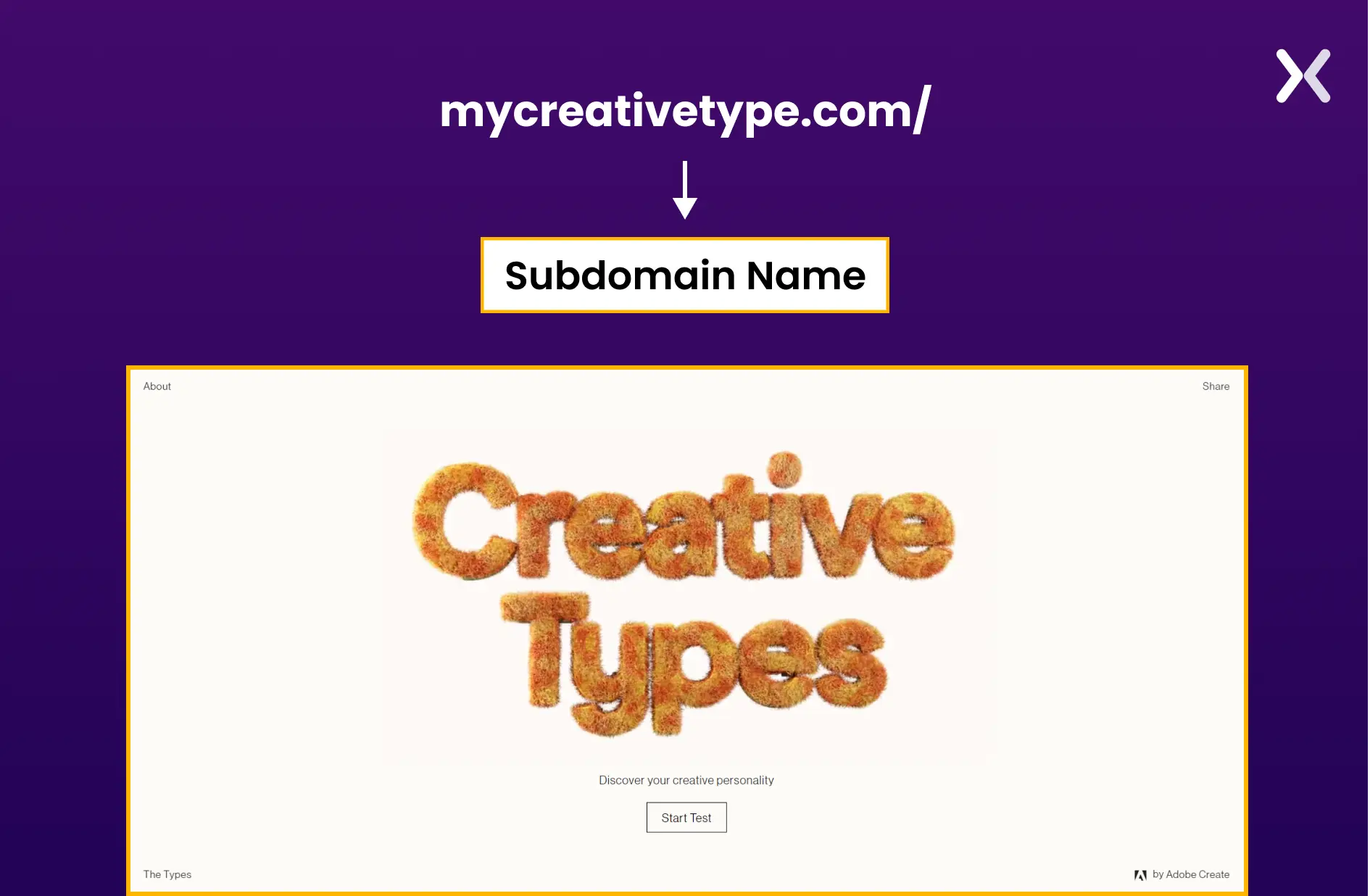
Microsites are best hosted on either a subdomain or a separate domain from your main website. It makes sure that the microsite remains distinct and independent, allowing for focused branding and messaging tailored to its specific purpose or campaign. Hosting microsites on a subdomain, such as microsite.yourdomain.com, maintains a connection to your main website while providing a separate space for targeted content and campaigns. For example, we saw how Redbull used a subdomain “atrun.redbull.com” for its microsites. Here Adobe also has a microsite but on a completely new domain.
Where to host your landing pages?
Landing pages are typically hosted on your main website’s server or through a dedicated landing page builder platform. Hosting landing pages on your own server gives you full control over customization and integration with your website, making sure a smooth user experience.
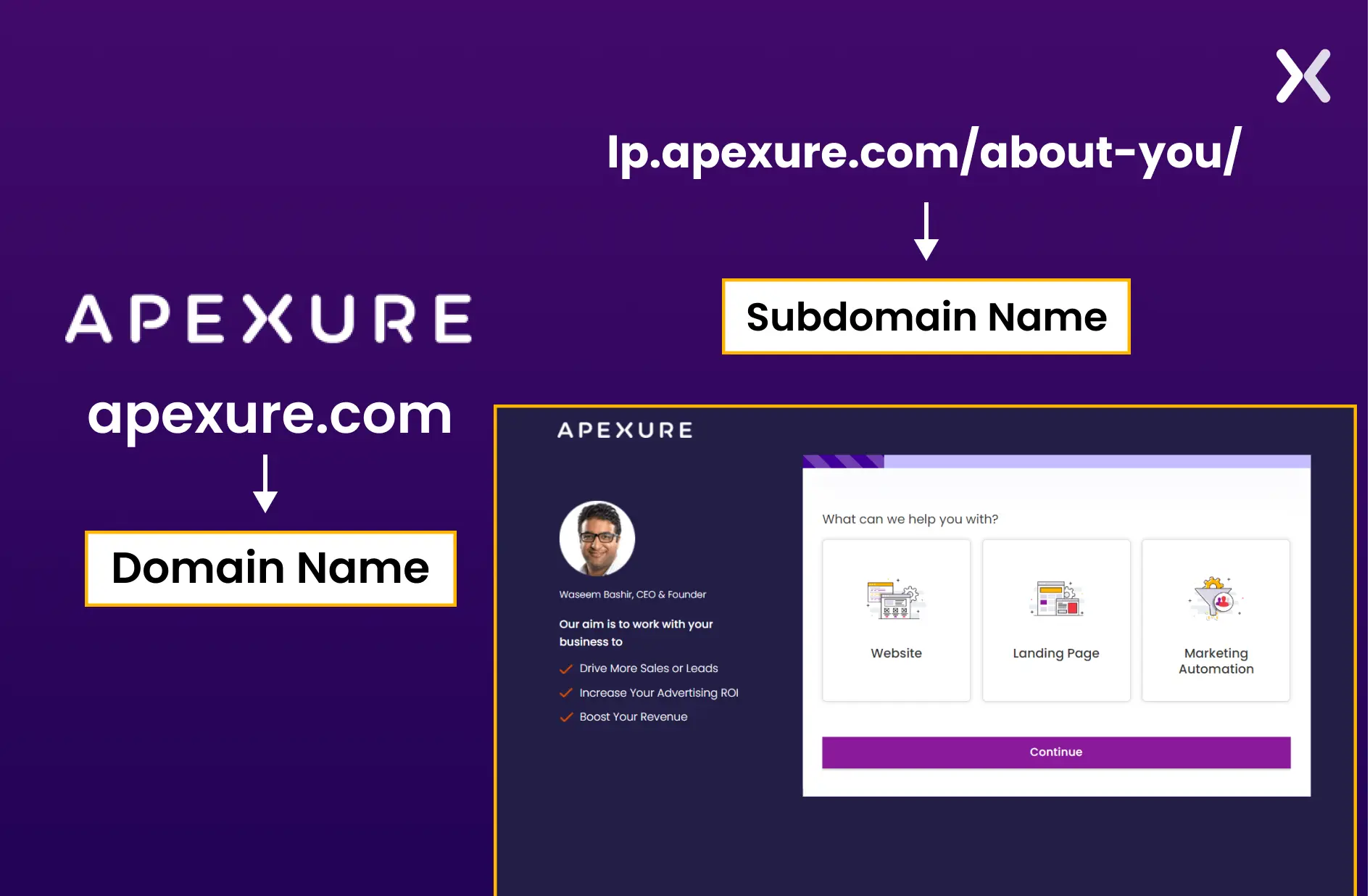 Alternatively, a landing page builder platform offers convenience and ease of use, with pre-designed templates and built-in analytics to track performance. Ultimately, the choice of hosting for landing pages depends on your specific needs, technical capabilities, and preferences for customization and analytics.
How to build a microsite vs landing page?
The time invested in building a microsite vs a landing page is critical, as it directly impacts the timeline of your marketing campaign and could potentially delay its launch. Let’s understand how both are created.
How to create a microsite?
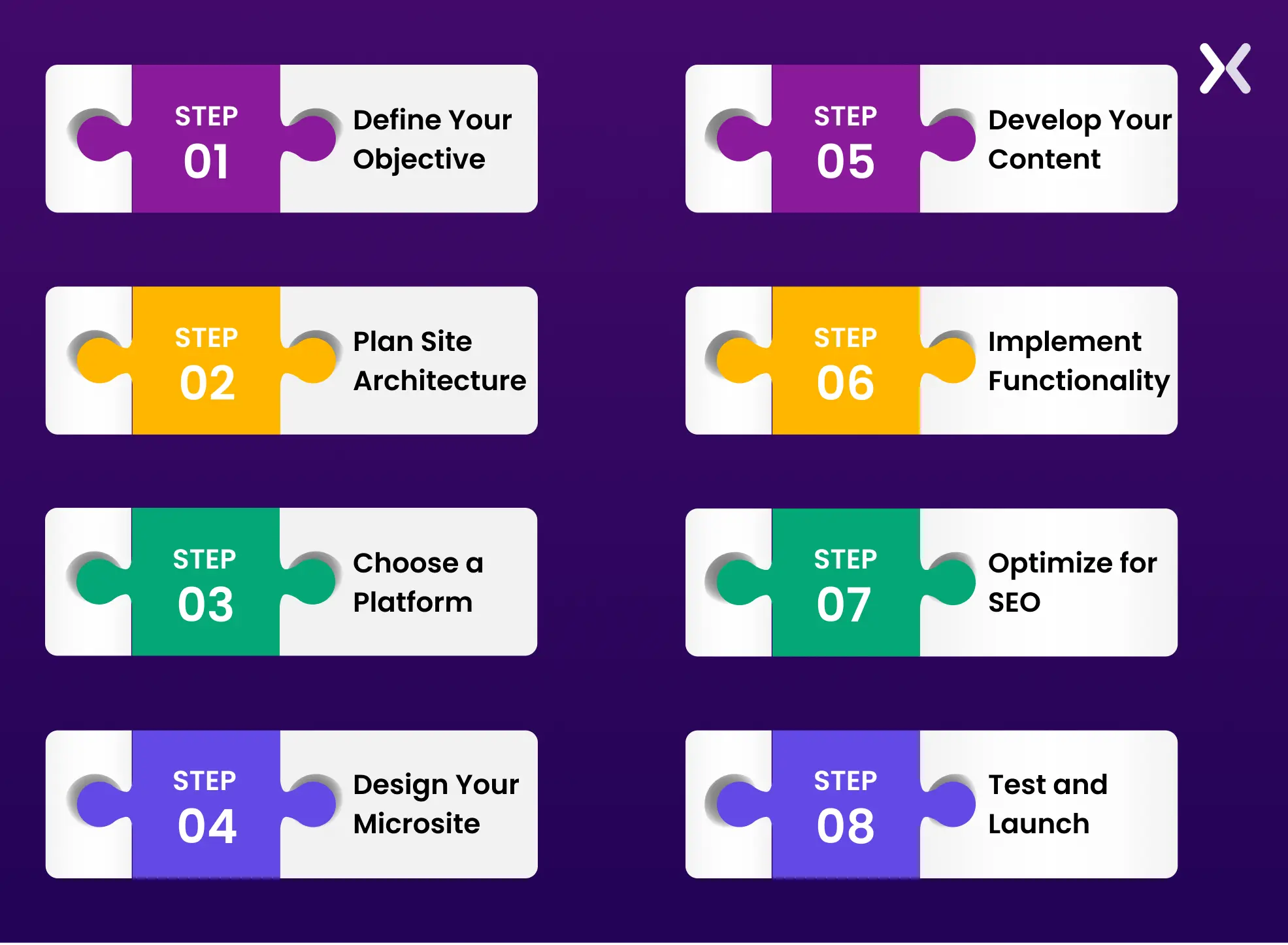
Here’s how to build a microsite:
-
Determine the purpose of your microsite, whether it’s to launch a product, promote an event, or support a specific marketing campaign.
-
Outline the structure and organization of your microsite, including navigation, pages, and content sections, to make sure a logical flow and easy access to information.
-
Select a website builder or content management system (CMS) that best suits your needs and technical capabilities.
-
Create a visually appealing layout and design that fits your brand identity and effectively communicates your message to your target audience.
-
Write strong copy and create engaging multimedia content to capture and retain visitors’ attention.
-
Integrate interactive features, such as forms, quizzes, or galleries, to improve user engagement and encourage interaction.
-
Make sure your microsite is search engine optimized by incorporating relevant keywords, meta tags, and descriptive URLs to improve visibility and attract organic traffic.
-
Thoroughly test your microsite across different devices and browsers to make sure compatibility and functionality before launching it to the public. That’s a lot of work. While building a microsite is worthwhile for long-term projects, it may not be practical for short-term marketing campaigns.
How to craft a landing page?
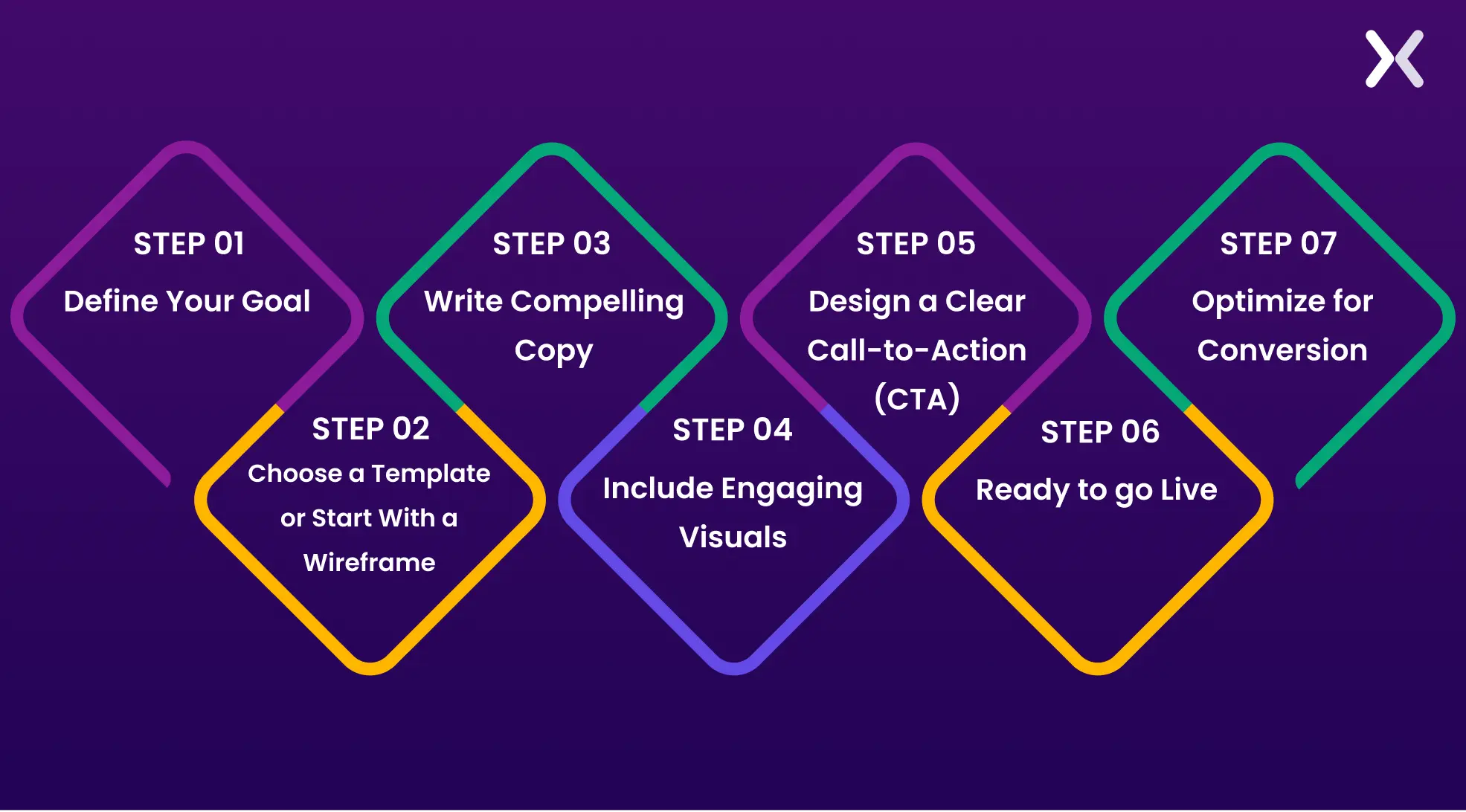
Crafting a landing page requires less time than a microsite. Here is how:
-
Determine the specific action you want visitors to take on your landing page, whether it’s signing up for a webinar, downloading a resource, or making a purchase.
-
Select a pre-designed landing page template or create a custom layout that effectively communicates your message and encourages action.
-
Craft concise and persuasive copy that accents the value proposition of your offer and motivates visitors to take action.
-
Use high-quality images, videos, and graphics to capture visitors’ attention and reinforce your message.
-
Create a prominent and strong CTA button that stands out on the page and communicates the desired action.
-
The landing page is ready to go live with all the above.
-
A/B tests different elements of your landing page, such as headlines, images, and CTAs, to optimize for higher conversion rates.
Microsite SEO vs landing page SEO
SEO is a key part of our online presence and is essential for making sure SERP visibility. Yet, when optimizing your digital assets like microsites and landing pages, the approach isn’t always one-size-fits-all.
Microsite SEO
While microsites are often touted as beneficial for SEO, this assertion holds if there is an ample marketing budget. Constructing microsites demands considerable resources and time. For temporary campaigns, this investment might exceed practical limits. Challenges of Microsite SEO:
-
Microsites reside on subdomains or separate domains. Hence, they lack existing backlinks and domain authority, posing challenges for initial SERP rankings.
-
Achieving high SERP rankings can be tough unless you target keywords with low keyword difficulty and substantial traffic, typically long-tail keywords. It could only work for campaigns that focus on a particular niche.
-
Effective SEO necessitates ongoing efforts and maintenance. Merely creating a microsite is insufficient; consistent content updates and optimization are essential. Abandoning a microsite after its creation is not viable, as sustained effort is required to yield meaningful results.
One key advantage where microsites truly excel is in establishing topical authority within a specific niche. When a business shifts its focus to a more specialized industry, its main website might lack sufficient topical authority to rank for relevant keywords.
Therefore, businesses in this scenario can create a microsite to develop authority within the niche and target specific related keywords. This strategy can significantly improve their positioning in the Search Engine Results Pages (SERPs). We recently implemented this strategy for one of our clients, DOOR3. Their main website covers a wide range of services, such as design & UX, tech consulting, and software development, with numerous pages dedicated to each. However, this approach made it challenging for them to establish topical authority within a specific niche. With our assistance, they decided to create a microsite solely focused on Enterprise Design Systems. This initiative aimed to improve their authority on this topic and improve their rankings in the SERPs.

Landing page SEO
Landing page SEO involves optimizing the content, keywords, meta tags, and other elements of the landing page to improve its relevance and visibility in search engine results. That’s pretty much what you’d do for other pages on your website. Landing pages need to strike a balance between SEO optimization and conversion optimization. It’s essential to make sure that a landing page provides a smooth user experience and effectively guides visitors toward the desired action while ranking well in search results. Similar challenges microsite SEO faces may also surface when crafting landing pages on subdomains. Opting for landing pages on your main domain could mitigate some of these issues. However, it’s advisable to maintain a clear distinction between PPC (Pay-Per-Click) landing pages and SEO landing pages. Mixing them could lead to confusion and dilute the effectiveness of both strategies.
Landing page vs microsite for PPC Ads
After SEO, PPC ads have taken the spotlight, popping up across social media platforms and SERPs. Central to the success of PPC campaigns is the selection of their landing destination, as it directly impacts conversion rates with your investment at stake. This decision requires careful consideration to match your ad budget and provide ample room for optimization.
Landing pages for PPC Ads
-
Landing pages are specifically designed to serve the needs and interests of users who click on PPC ads. They provide a focused environment for users to take a specific action.
-
Landing pages can be tightly matched the messaging and offers in your PPC ads. Its consistency helps in maintaining relevance and improving conversion rates.
-
Managing landing pages within your main website infrastructure is often simpler and more simplified than creating and maintaining separate microsites. Even when it comes to landing pages on subdomains. It is easier to maintain a single page than a mini website.
-
Landing pages offer a conducive A/B testing and optimization environment. You can experiment with different elements such as headlines, images, call-to-action buttons, and forms to refine your PPC campaigns and improve conversion rates.
Microsites for PPC Ads
-
Maintaining and updating microsites require additional time, effort, and resources compared to managing PPC campaigns with landing pages.
-
Building and maintaining microsites can incur additional costs for domain registration, hosting, design, and development, which may not always justify the returns, especially for short-term PPC campaigns.
-
It’s advisable not to index pages used for PPC ads, as indexing them can complicate traffic attribution and data analysis. However, building a dedicated microsite and then choosing not to index it may seem counterintuitive.
Benefits of microsite vs landing page
In specific contexts, the benefits of microsites may outweigh those of landing pages and vice versa. This list of pros and cons matters for selecting the most suitable platform for engaging your target audience effectively.
Pros and cons of microsites
What’s nice about microsites is that they are descriptive enough to get the viewer to click and familiarize themselves with the product on any additional pages.
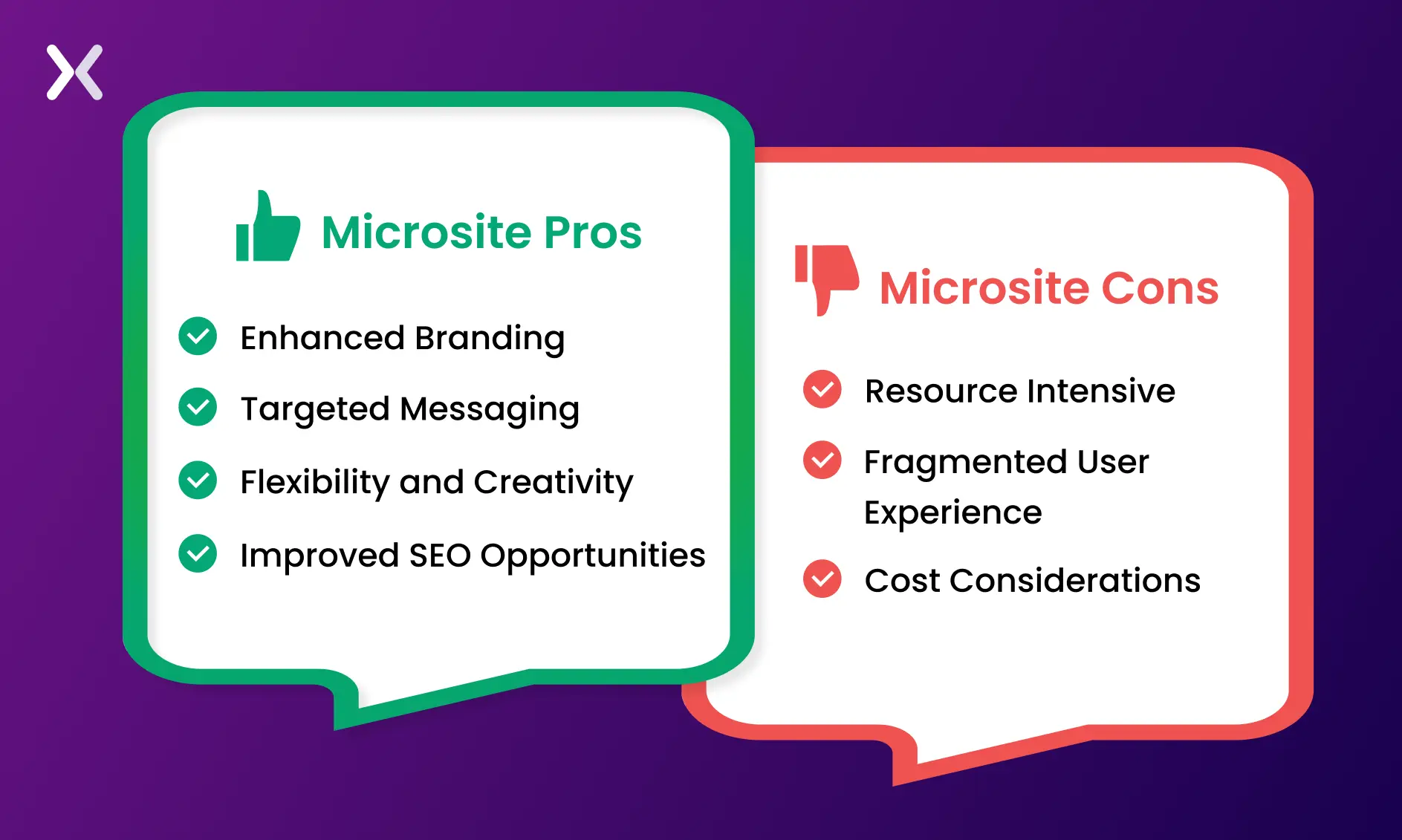
Microsite pros
-
Microsites offer a dedicated platform to present specific products, events, or campaigns, allowing for tailored branding and messaging.
-
Such sites enable precise targeting of niche audiences, making sure that content and offers match specific segments.
-
With fewer constraints than a main website, microsites offer creative freedom to experiment with design, content, and interactive features.
-
Microsites can target highly specific keywords and topics, improving search engine visibility and driving organic traffic.
Microsite cons
-
Building and maintaining microsites require more time, effort, and resources than landing pages.
-
Users may find moving through between a main website and multiple microsites challenging, potentially leading to a fragmented brand experience.
-
Hosting and managing multiple microsites can incur additional costs, particularly for smaller businesses or limited budgets.
Pros and cons of landing pages
Since landing pages can be hosted on their parent site’s same domain. They are relatively fast, simple to build, and usually appropriate for any budget. Here are a landing page’s pros and cons:
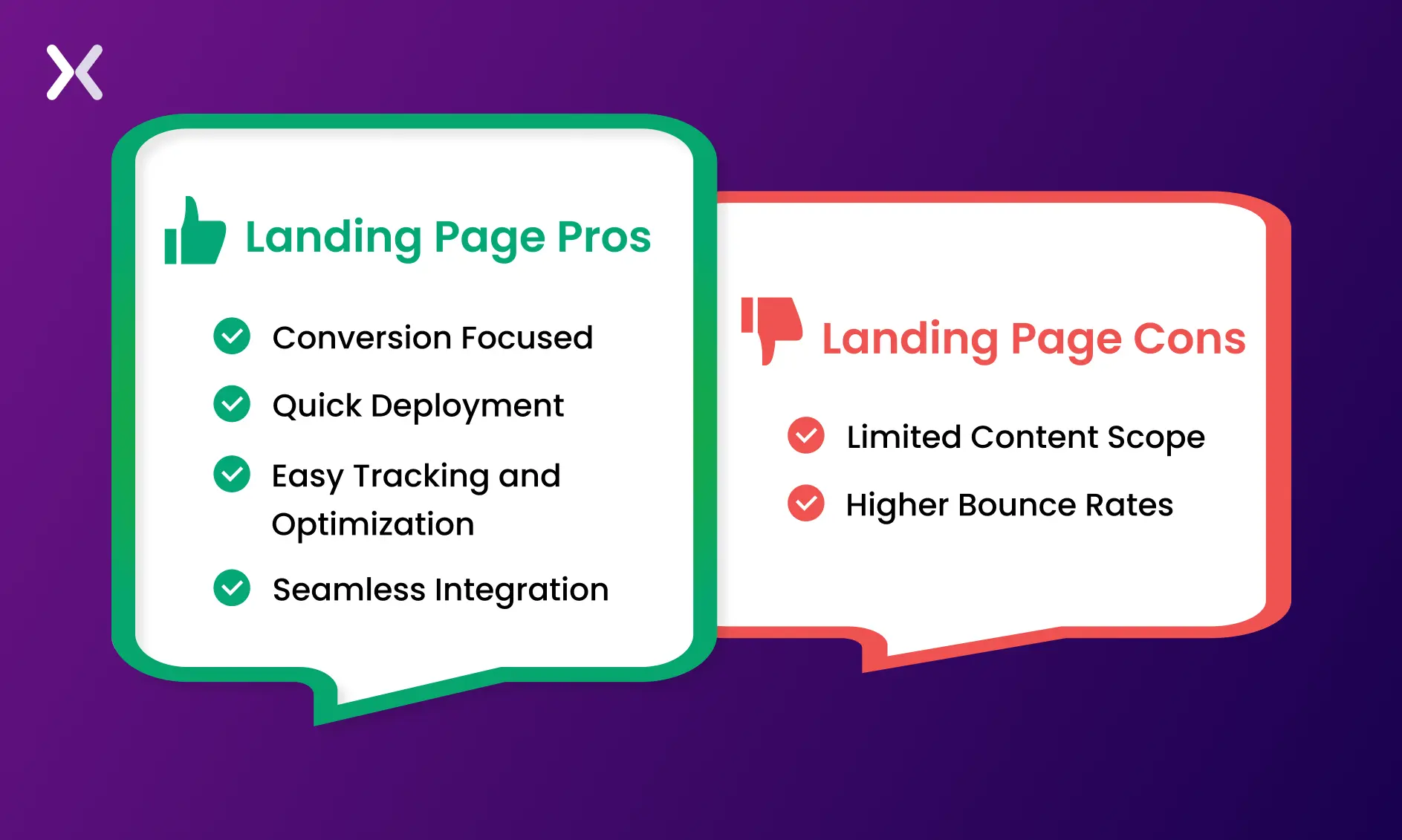
Landing page pros
-
Landing pages are specifically designed to drive conversions, with clear and strong calls-to-action (CTAs) that guide visitors towards desired actions.
-
Landing pages can be created and launched quickly, making them ideal for short-term marketing campaigns or time-sensitive promotions.
-
Landing pages offer straightforward analytics and A/B testing capabilities, allowing marketers to track performance and optimize for better results.
-
Landing pages can easily integrate with various marketing channels, including email campaigns, PPC ads, and social media posts.
Landing page cons
-
Due to their focused nature, landing pages may lack full information about a brand or product, potentially leading to reduced engagement from visitors seeking more details.
-
Visitors arriving at a landing page may be less inclined to explore further content beyond the initial offer, leading to higher bounce rates.
Examples of microsites vs landing pages
Some examples of microsites and landing pages to gain insight into how brands use them in their marketing strategies.
Microsite examples
1. Ikea “life at home” microsite
Ikea developed a microsite in response to the isolation challenges faced during 2020-21. This mini website features several pages marking statistics and creative ways to make home living enjoyable.
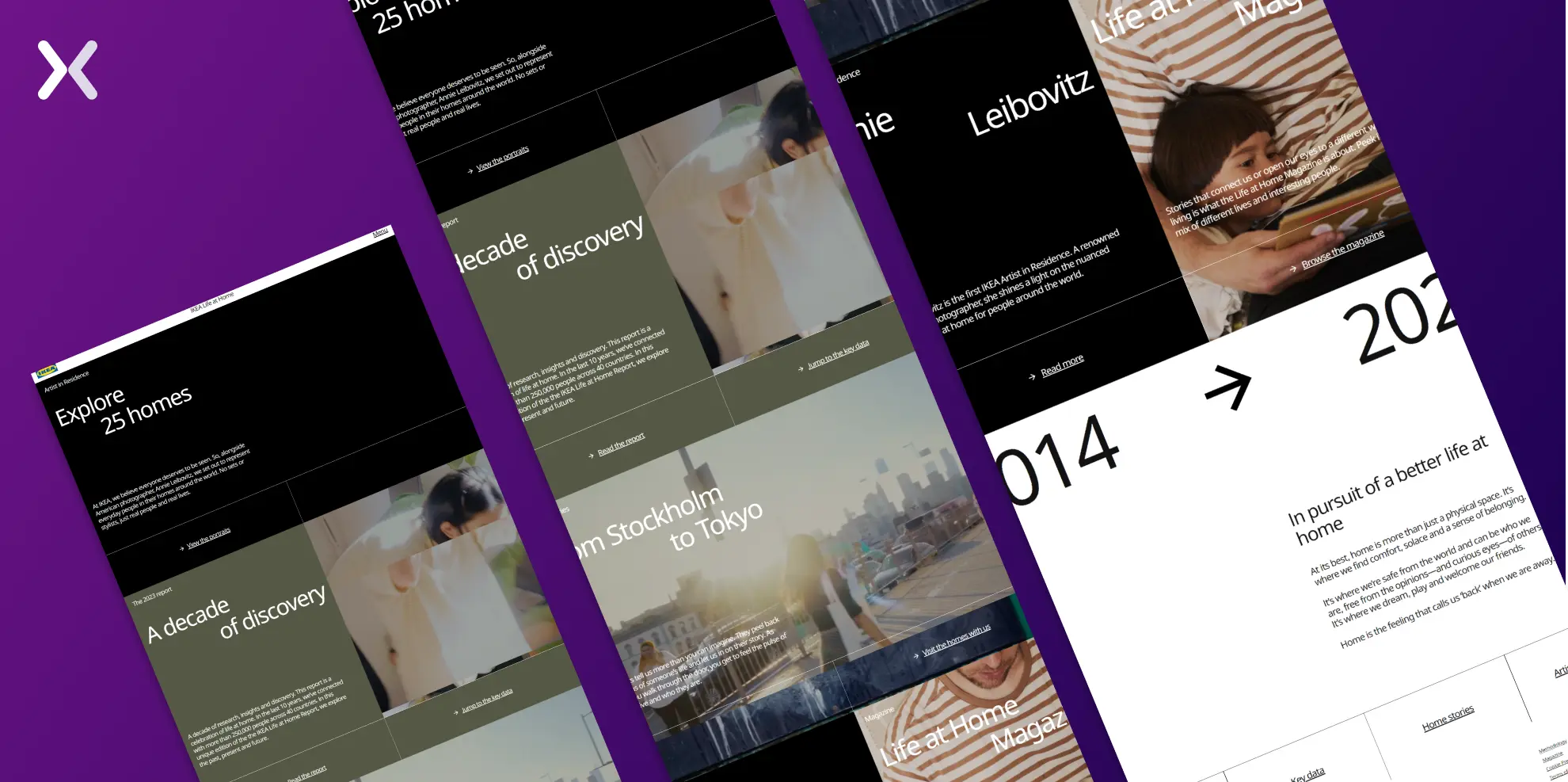 The microsite (filled with engaging videos, images, and interactive visuals) offers visitors an entertaining and informative experience. As the microsite URL indicates. It’s hosted on a subdomain of Ikea’s main website.
2. Waterwise “every last drop” microsite
Waterwise aimed to raise awareness about water scarcity by creating a dedicated microsite focused solely on this pressing issue. While the microsite doesn’t feature multiple pages, its high interactivity and engaging storytelling effectively engage audiences, driving home the message.
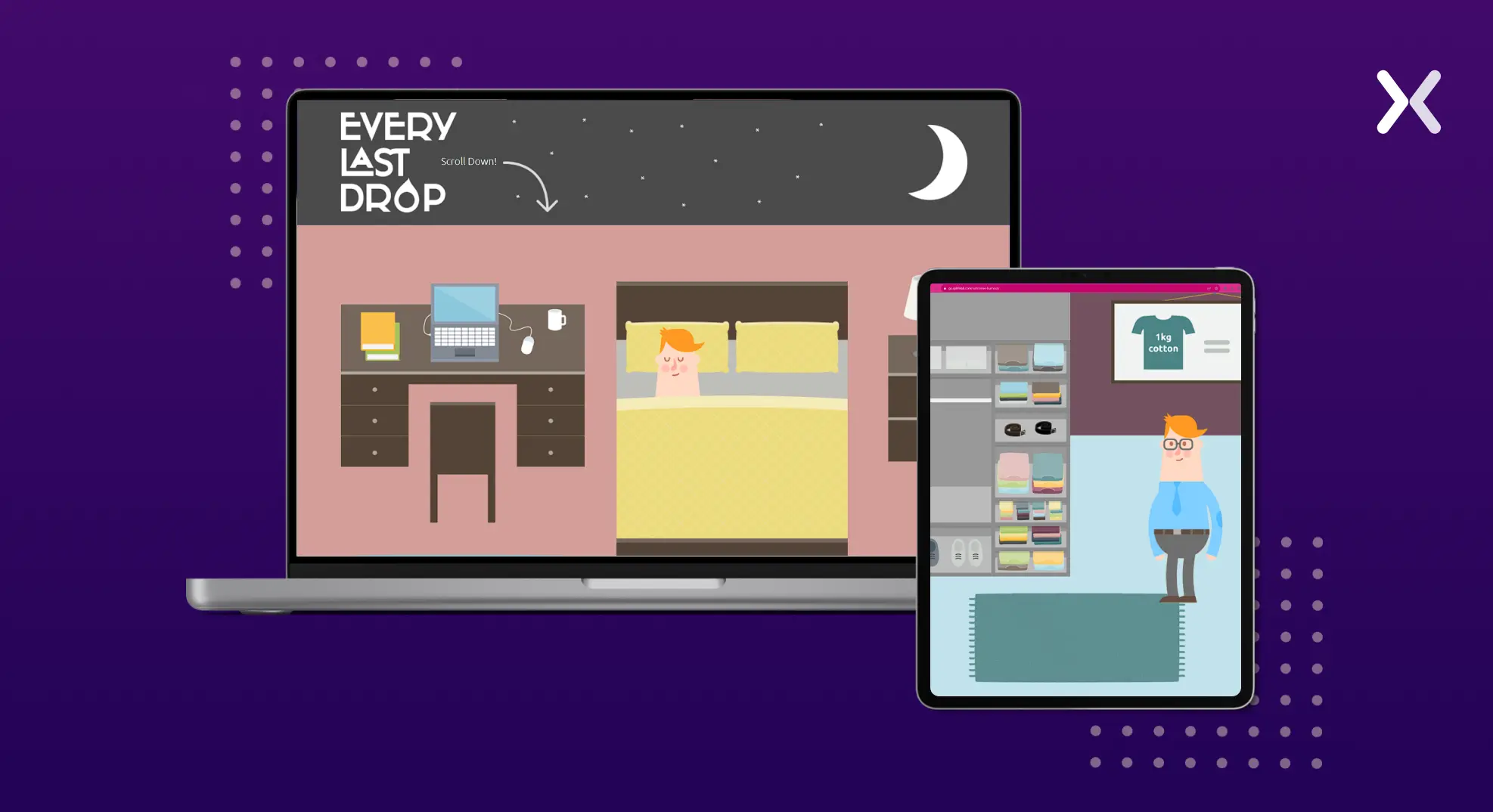
The microsite smoothly integrates links directing visitors to Waterwise’s main website. Notably, the microsite URL indicates that it’s hosted on an independent domain, reinforcing its standalone presence.
“From these examples, it’s evident that they prioritize raising awareness rather than driving conversions. Hence, microsites can are effective tools for generating brand awareness.”
Landing page examples
1. Blazon’s landing page
What’s more effective than a Kickstarter page? A dedicated landing page for your upcoming product, marking its unique selling points (USPs), use cases, direct comparisons with competitors, and concluding with an FAQ section.
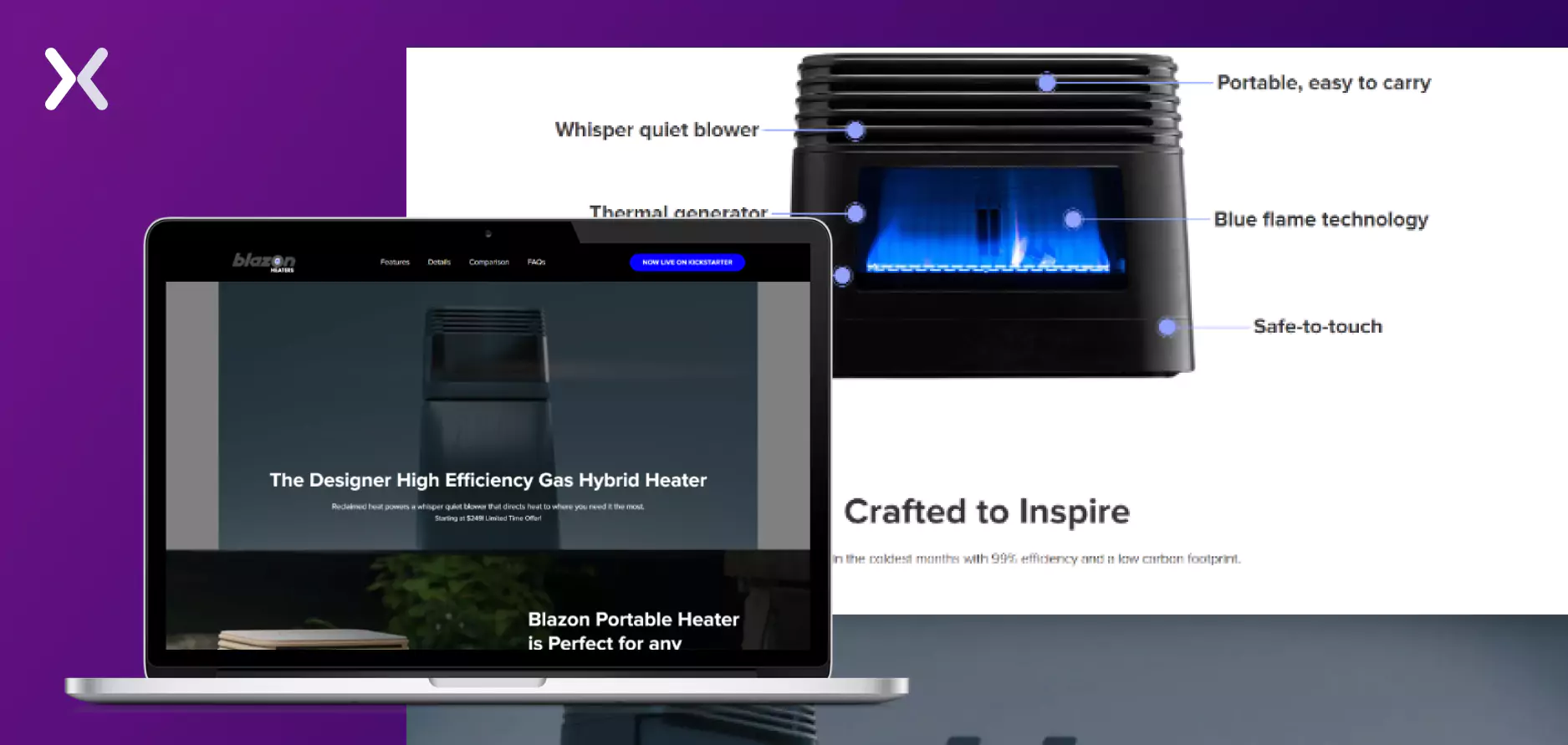 Blazon has implemented a similar strategy by crafting a full landing page to drive traffic to their Kickstarter campaign. This approach provides interested visitors with detailed information and strong visuals to capture their attention and generate interest in the product.
2. Affordable health coverage today’s landing page
Affordable Health Coverage simplifies lead capture efforts by creating a purpose-built landing page. This succinct page features essential elements such as a strong headline, clear calls-to-action (CTAs), and social proof.
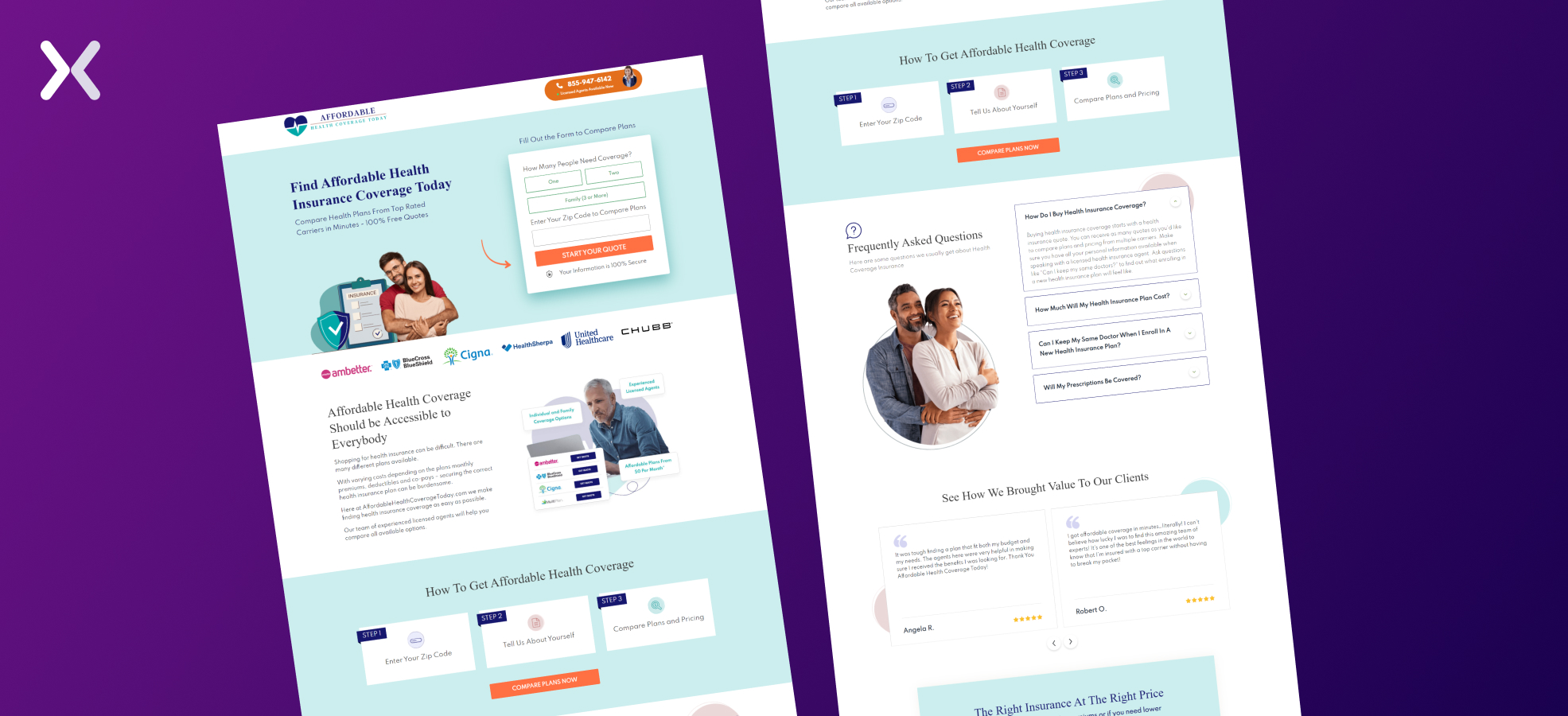 What sets it apart is incorporating a multi-step form, which maintains audience engagement and simplifies the lead capture process, making sure higher completion rates.
Microsite vs landing page: which to choose?
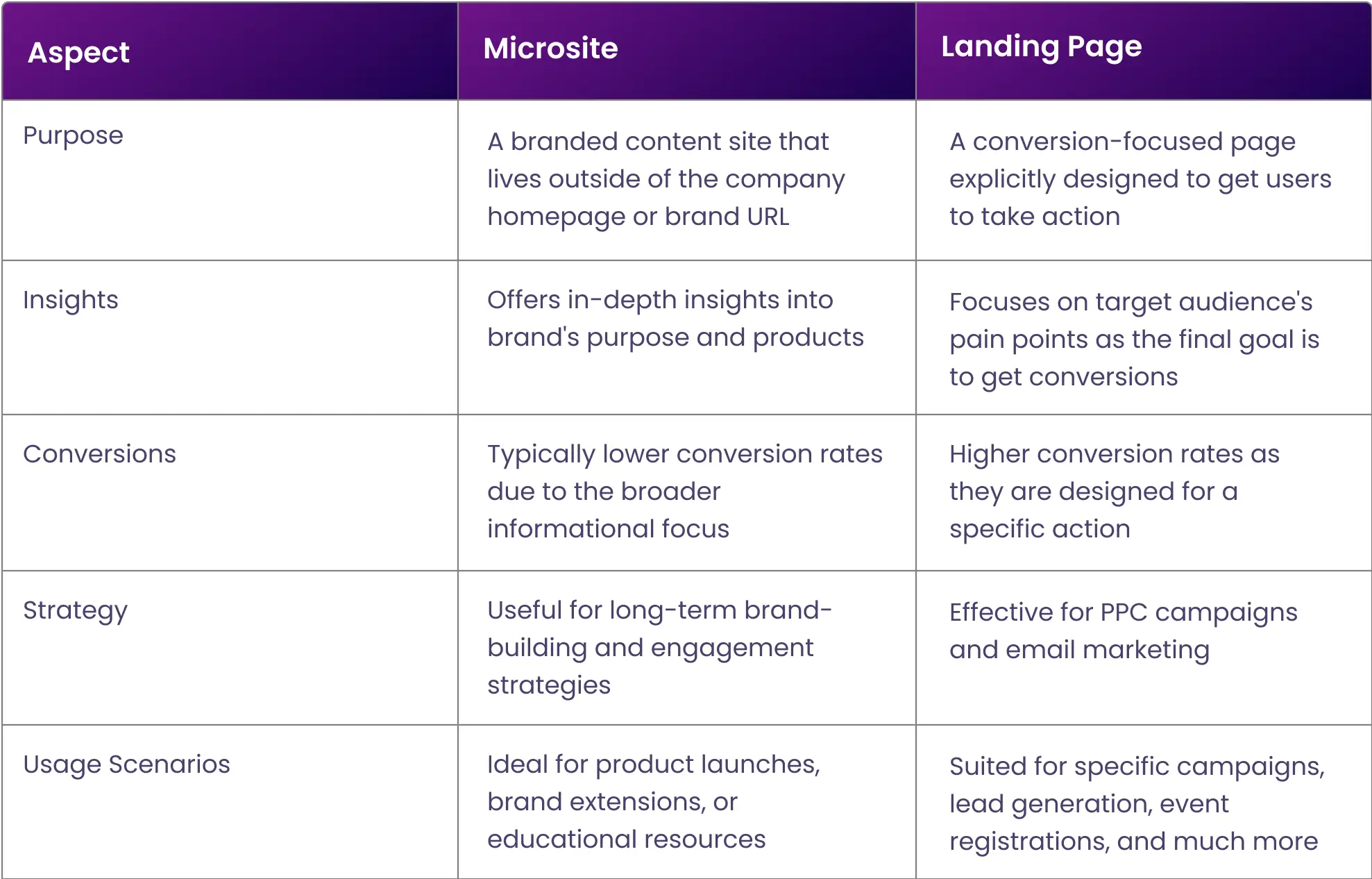
Despite certain similarities, the functions of a microsite vs a landing page are essentially distinct. Which is best for your business will depend on what you’re using them for. Below is a landing page vs microsite comparison table that might help you.
Ready to build a microsite or a landing page?
Crafting exceptional landing experiences tailored to your target audience is the ultimate objective. While landing pages offer a focused approach to lead generation, microsites provide dedicated content real estate explicitly designed for a target audience. Both are ‘landing experiences,’ each with its own architectural approach. Ultimately, the choice depends on the objectives of your marketing campaign. If you aim to raise awareness for a specific product or service, a microsite may be the better option, but landing pages are the preferred choice for lead generation.
Related Articles