
A reason on every test.
Click maps, scroll maps, recordings and form analytics before anyone suggests a change. Each hypothesis is a prediction with a because-clause and a source. We build the variant on your platform, run the test and report what happened, losses included. Month by month, with no contract.
Make the phone number the primary call to action, and more paid mobile visitors will get in touch.
- Because
- The phone is 43 percent of clicks and the hottest point on the scroll map, while the book-online button is styled as the primary action.
- Source
- Click map and scroll map on paid mobile sessions, June 2026.
- Measure
- Contacts per paid mobile session, calls and bookings counted together, against the current page.
- Test3.91% → 6.38%brochure downloads after two tests · IMD, 2024
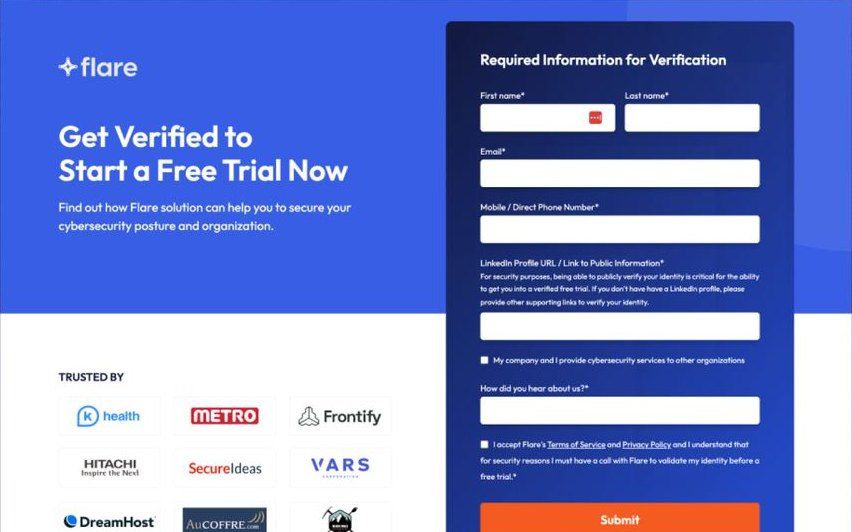
- Demo+65%demo requests from a shorter page · Flare, 2024
- Page51.78%enrolment page conversion · Radicle Science, 2023
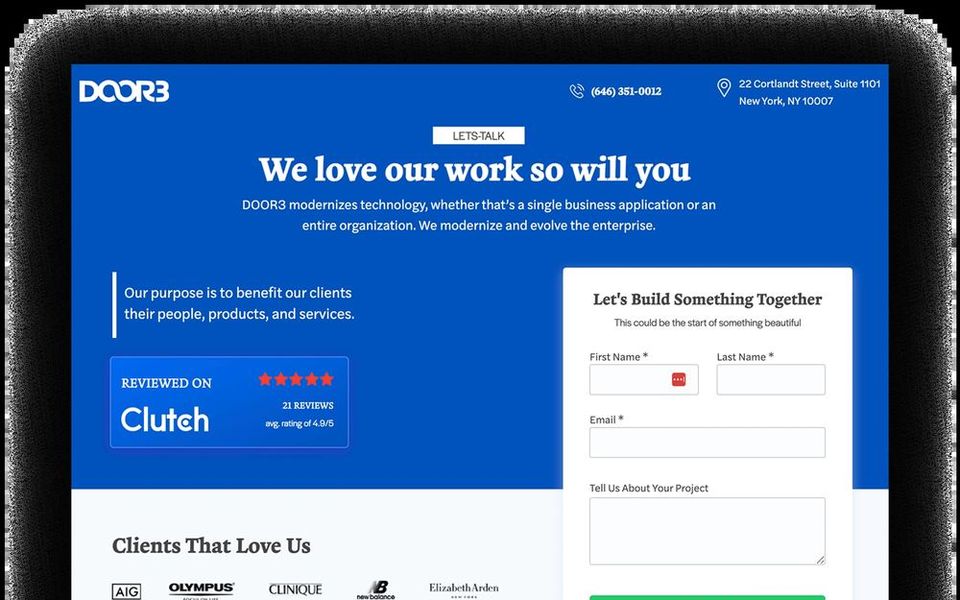
- Cost$2,300 → $550cost per lead · DOOR3, 2023
- Each number from a named case study.Dates are when it was published.





Research, a scored backlog, variants built and read out
Most CRO agencies hand you a list of best practices. We hand you a hypothesis with a reason and a source, then build the variant, run the test and tell you what happened.
Reconciled before the first test
GA4, the ad platform, the CRM and the form tool compared for the same period. If they disagree, we fix that first, because every test after it depends on the count being true.
What people did on the page
Click maps, scroll maps, session recordings and form analytics on the pages that matter, read alongside the analytics. If the data is not there yet, the first job is to collect it.
A reason on every hypothesis
Each one is a prediction with a because-clause and a named source, scored for effort and expected impact. You see the whole list and can argue with any of it before we build.
Variants by the people who did the research
Designed, written and built by the same team, on your platform, with the test configured and the tracking checked before it goes live. Nothing is handed to a developer who was not in the research.
Losses reported too
Results with the confidence level, what we think happened and what it points to next. A losing test is a finding, and it goes in the report next to the winners.
Everything in accounts you own
The tests that launched, the tests that read out, the updated backlog and a check that the tracking still reconciles. Heatmap, testing and analytics tools stay in your name.
Tests that were read out, not just launched

Have a page with traffic and a number that should be higher?
Send the URL, where the traffic comes from and what a conversion is worth to you. You get a written read of what the evidence says, and whether testing or a redesign is the right next step, before any proposal.
Six steps, and the tracking check comes first
It is the step most agencies skip. Every test after it is read on that count, so it has to be true before anything else happens.
Reconcile the tracking
GA4, the ad platform, the CRM and the form tool compared for the same period. If they disagree, we fix that first.
Research the behaviour
Click maps, scroll maps, session recordings and form analytics on the pages that matter, read alongside the analytics. This is where the hypotheses come from.
Write the backlog
Each hypothesis is a prediction with a because-clause and a source, scored for effort and expected impact. You see the whole list and can argue with any of it.
Build and launch
The variant is designed, written and built by the same team, on your platform, with the test configured and the tracking checked before it goes live.
Read out and decide
Results with the confidence level, what we think happened and what it points to next. Losses included.
Repeat or stop
The next test launches, or, if the backlog is empty or the traffic cannot support it, we say so. There is no contract holding either of us.
The first test usually launches within the first month. After that the cadence depends on your traffic, not on a retainer.
Three cases where a testing programme is the wrong purchase
We are paid monthly with no contract, so there is nothing to gain from selling tests to a page that cannot support them. These come up in the first read, and we say so.
Under a few hundred a month
Below that, an A/B test takes too long to reach a clear answer. The honest route is a research-led redesign with before-and-after measurement, from the same click and scroll evidence, and we will tell you which side of the line you are on.
Research-led redesignGA4 says 150 leads, the CRM says 80
That was a heating manufacturer's month this year. Nothing can be tested on a count nobody trusts, so the first job is finding where the counts diverge and fixing it at the source rather than patching a report.
Start with the tracking95 on Lighthouse and still no leads
Speed is fine. The problem is the offer, the message or the form, and no test will fix a proposition nobody wants. We diagnosed exactly this for an agency this summer, and the page experience score turned out to be a red herring.
Send it anyway, we will say whichFrom a free read of your data to a test every month
Start with the page you already have. Nothing here needs a contract, and every tool and account stays in your name.
A read of the evidence
Send the URL, where the traffic comes from and what a conversion is worth. You get a written read of what the click, scroll and form data says, and whether testing or a redesign is the right next step.
Send us the pageCRO programme
- Tracking reconciled before the first test
- Click, scroll and recording research
- A scored hypothesis backlog you can argue with
- Variants built and read out, losses included
Conversion tracking
For teams whose numbers disagree with each other. We find where the counts diverge, fix it at the source and hand back a lead count everyone can trust before any test runs.
How tracking worksResearch-led redesign
When a page cannot support A/B tests, we redesign it from the same research and measure before and after. Landing pages from $1,000, websites quoted on scope.
See landing pagesPrices are starting points in US dollars and are confirmed in writing before you commit. UK clients are quoted in pounds. The monthly number comes after the first read of your data, not before.
What the usual programme gives you, and where ours differs
A best-practice checklist is not wrong. It just cannot tell you what is true on your page, for your traffic.
Best practice, applied to everyone
- A checklist: shorten the form, add social proof, move the button up
- Tests chosen by opinion, then justified with a heatmap
- Winners in the deck, losses left out of it
- Variants handed to your developers to build
- Results read on numbers nobody reconciled
- A six-month retainer, often bundled with media buying
Evidence from your page, for your traffic
- A reason and a named source on every hypothesis
- Click, scroll and recording evidence before anyone suggests a change
- Losing tests reported with the readout and the next hypothesis they point to
- Variants built by the team that did the research, on your platform
- Tracking reconciled before the first test is read
- Month by month, no contract, and we do not run your ads
Most conversion rate optimisation is opinion with a heatmap attached. A checklist will tell you to shorten the form and add social proof. It will not tell you that on your page, for your traffic, the thing people already want to do is pick up the phone.
A heatmap is not a hypothesis.From the people who paid for the tests
The team is keen in designing and maximizing conversion rates, as well as prompt in communications and support, always willing to help, even with very tight deadlines
Thank you for being very responsive in helping us to not only create an A/B test, but also advising us on the tools to help us monitor the tests going forward
I launched 3 new landing pages yesterday and within 24 hours the Cost Per Lead and all other performance metrics have improved drastically. The process to getting there was efficient
The questions people ask before the first read
The first test usually launches within the first month. How quickly it reads out depends on how many conversions the page gets, which is why we look at your traffic before promising a date. Programmes compound, and the third month is usually where the gains from earlier tests start to add up.
Enough conversions a month to reach a clear answer in a few weeks, which for most pages means a few hundred. Below that, we run research-led changes with before-and-after measurement instead of split tests, and we say so up front.
A monthly fee priced on the number of pages and tests in the backlog, with no contract. You get the number after the first read of your data, not before. Landing page design and website redesign are quoted separately as fixed-price projects.
Yes. We build variants and run tests on Unbounce, WordPress, Webflow, HubSpot, Shopify, GoHighLevel and custom sites, using your existing testing tool or one we set up in your name.
No. We work on what happens after the click and hand your ads or search partner cleaner data. If you need paid media or SEO, we refer you to Hutch or LinkPanda, our partners. It also means we have no reason to tell you the problem is your traffic.
The tests that launched, the tests that read out with their confidence levels, what we think happened, the updated backlog, and a check that the tracking still reconciles. Everything lives in accounts you own.
Conversion work by service, guide and case study
Send us the page
Send the URL, where the traffic comes from and what a conversion is worth. You get a written read of what the evidence says and a monthly price, with no contract. Or book 30 minutes and we do it on a call.