Landing page SEO is for companies still figuring out whether they want to do PPC. We know, PPC ads bring in the traffic, but only as long as you’re paying. You don’t ever want your brand to become overdependent on a single platform for all its leads. You need to diversify your traffic channels. An easy way to do that is by using landing page SEO. Search engine optimization (SEO) is a process for optimizing a webpage for organic traffic. Many times this term gets limited to websites, but on correct utilization. You can use it for landing pages also. In this post, we are going to take a deep dive into what makes a landing page SEO-approved and how to execute it. Plus, we will also be addressing how to make it work with AI overviews in the picture. Let’s get to it.
What is landing page SEO?
Landing page SEO is the process of optimizing your landing page to appear at a higher rank on the search engine result page (SERP) and attract organic traffic. Unlike PPC landing pages, where you pay, pick the right keywords, and boom! You start ranking at the top of SERPs, landing page SEO differs. It heavily relies on good SEO practices and building sustainable traffic over time.
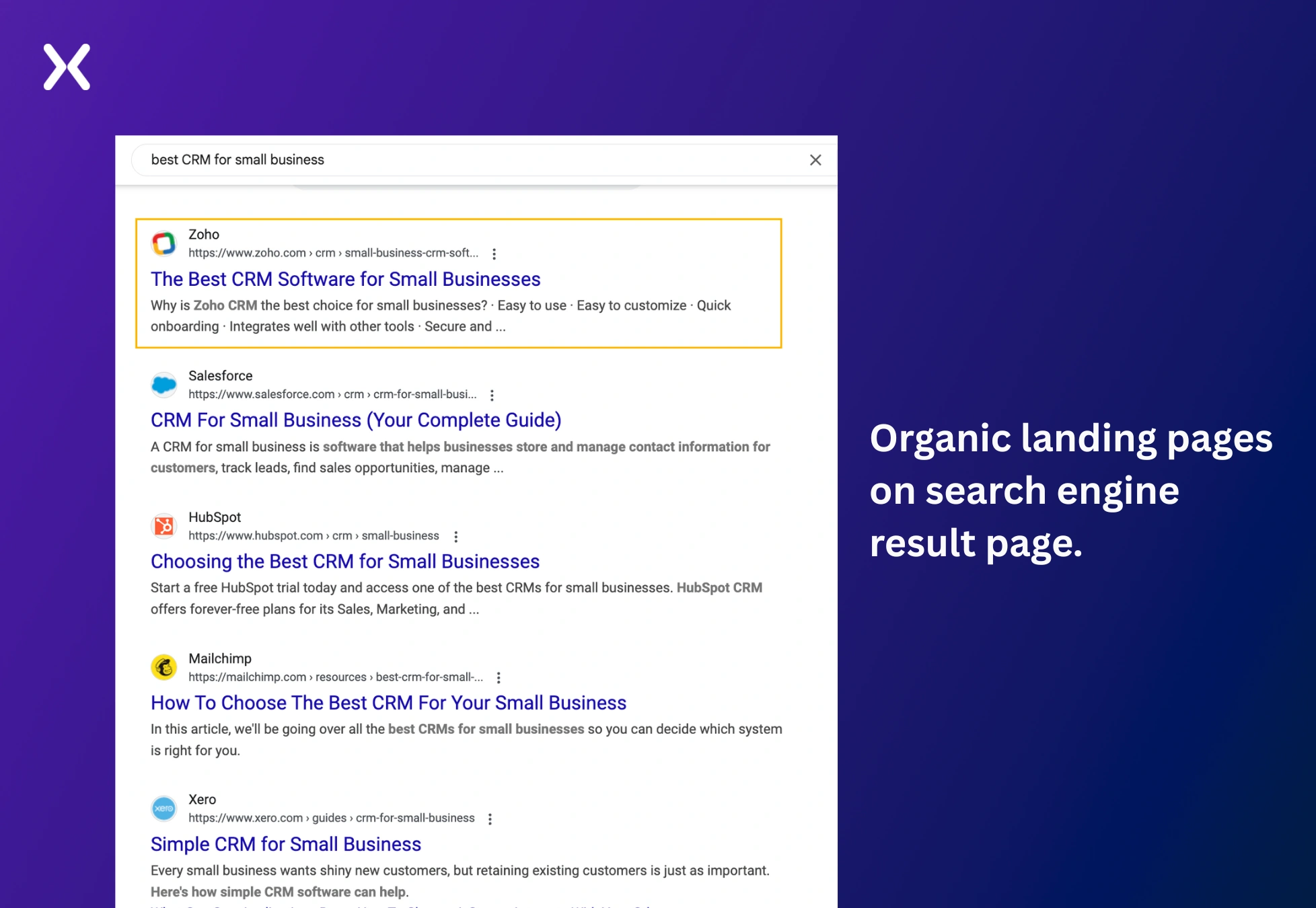
But what are landing pages?
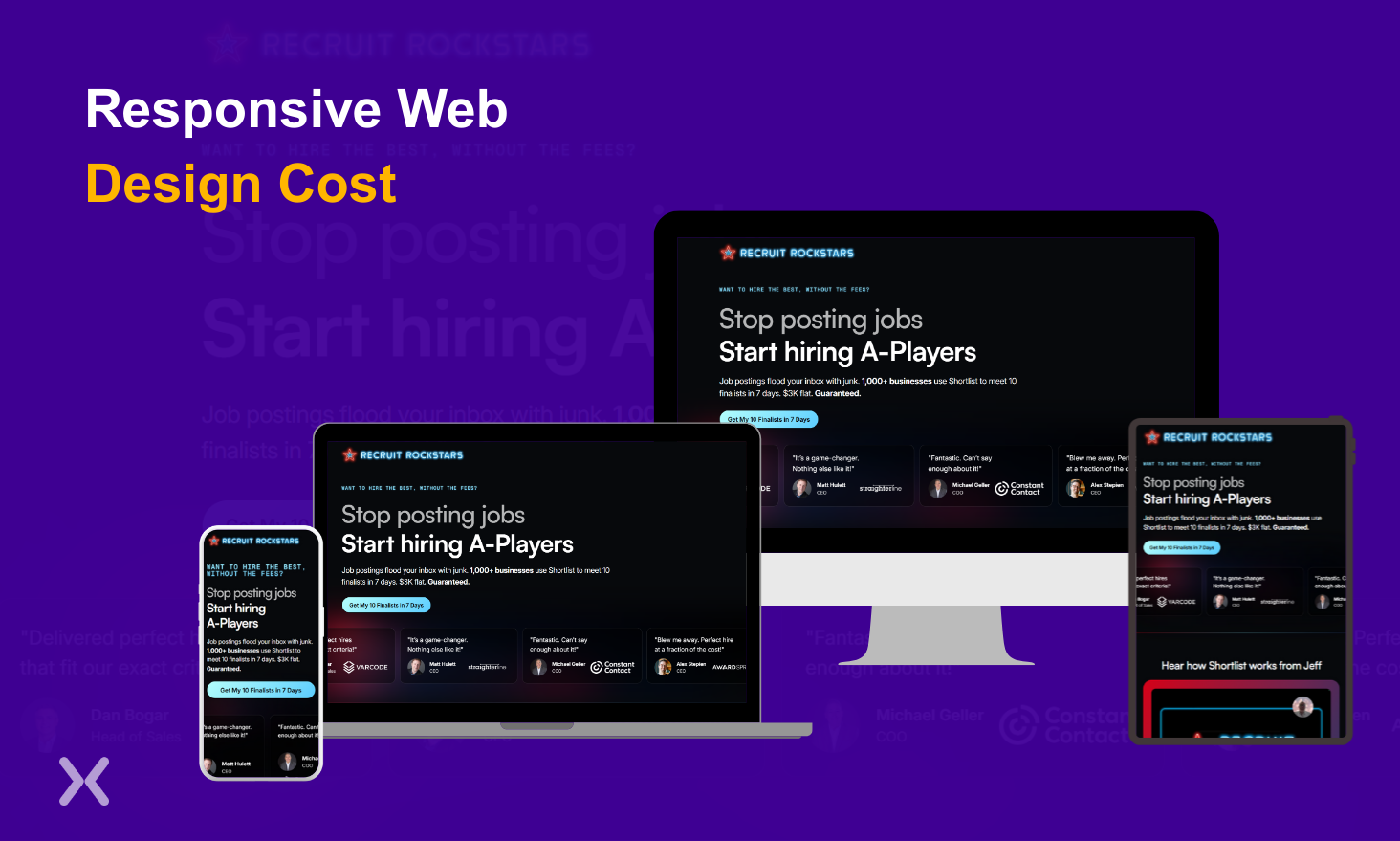
“Landing pages are web pages visitors land on after clicking a link on the SERP. The visitor can arrive on a landing page from a paid ad or naturally occurring link. In short, landing pages are your first touch point with the visitors. When done right, landing pages can make up for great first impressions leading to conversions.” The above is the traditional definition of landing pages. Growth marketers like to define landing pages as web pages that are conversion-driven and focus on a single segment of your target audience, making them hyper-personalized. Now the big question is, can you use your website pages as landing pages? The answer is a No and a Yes.
When do you need landing page SEO?
If you are targeting generic or top-of-the-funnel keywords, then you can use your website pages as landing pages. But the bottom of the funnel and even the middle of the funnel keywords need more targeted pages. For such keywords, you need to have search-engine-optimized landing pages.
Should i go for PPC or SEO for my landing pages?
Choosing between PPC and SEO depends on your goals and budget. PPC is best for immediate traffic and time-sensitive campaigns. It’s ideal if you’re targeting competitive keywords and have a dedicated ad budget for ongoing costs. SEO, on the other hand, is a long-term, cost-effective strategy. It works well for evergreen keywords and helps build organic authority with sustainable traffic, reducing the need for ads. Using both can be effective: PPC drives instant traffic, while SEO makes sure sustained growth over time.
How are web pages different from landing pages?
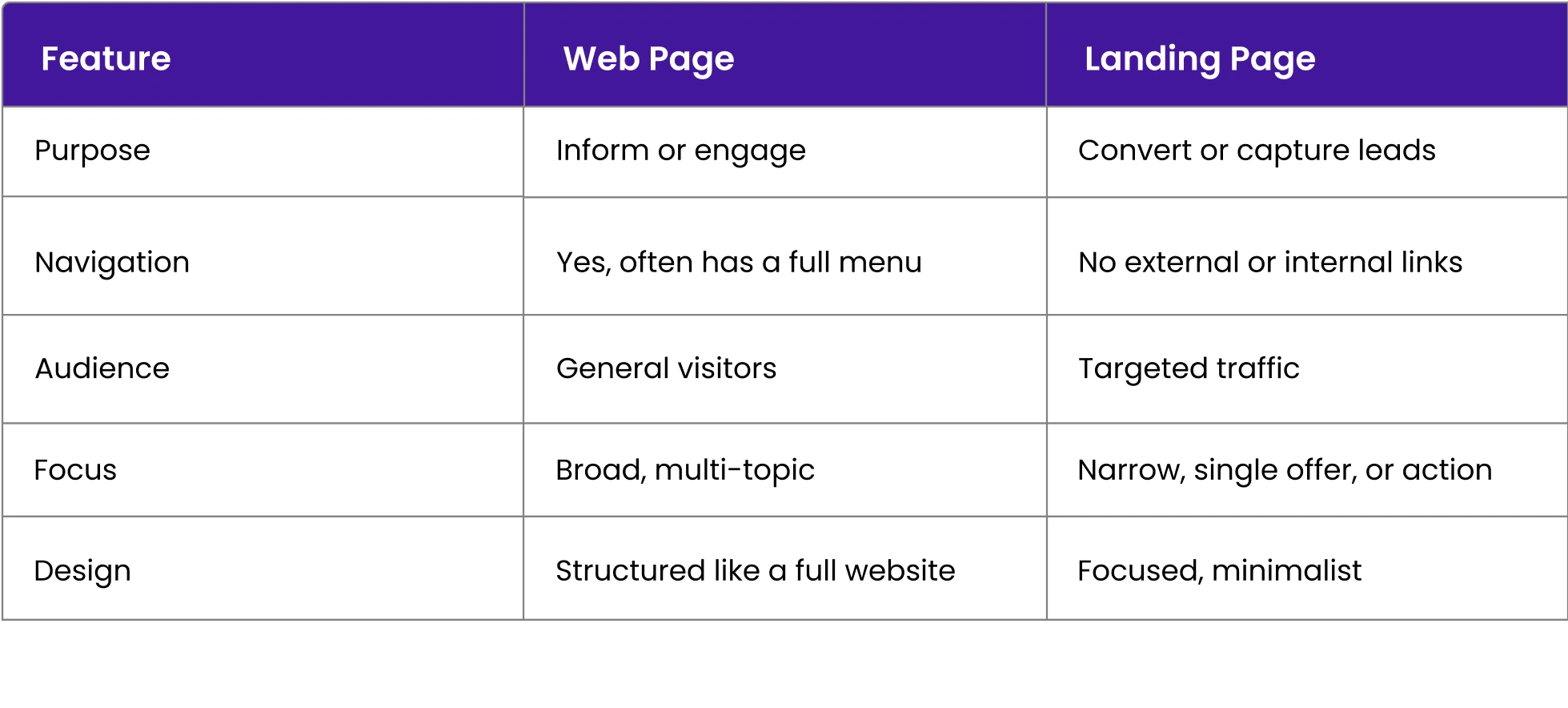
There are some major differences. Below is a comparison table to make things easy to understand.
7 step landing page SEO guide
Here’s a step-by-step guide to help you understand how to implement landing page SEO.
1. Conduct keyword research
When doing landing page SEO, the first step is to pick the right keyword. It is necessary to make sure that your landing page’s targeted keyword belongs to either the middle or bottom of the funnel. Such keywords present a higher intent of buying. For example:
-
“What is task automation?” - User is just researching.
-
“Task automation tools for teams” - User is exploring options.
-
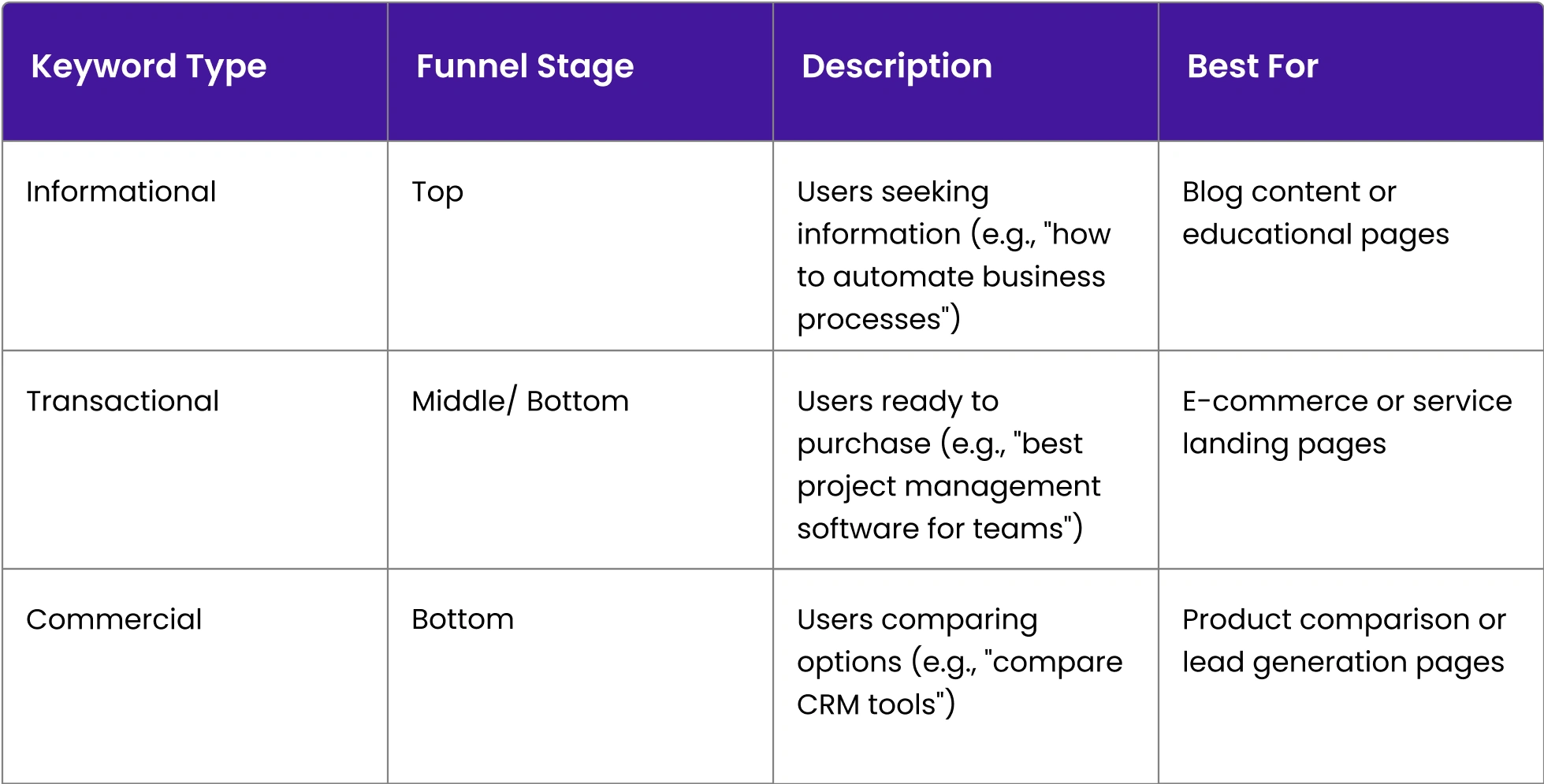
“Buy task automation software” or “Best task automation software for small teams” - User is ready to purchase or compare final options. These keywords can be further divided into three categories: informational, transactional, and commercial. Below is a table for easy comparison between them.
There are two reasons to pick a transactional or commercial target keyword for landing page SEO:
-
Conversion-focused landing pages with commercial and transaction keywords make sure that visitors who have a good chance of buying get converted into leads.
-
AI overviews are mostly present for informational keywords. But not for commercial and transactional keywords. For such keywords, you have a higher chance of receiving more traffic and hence conversions.
2. Select your landing page
Different landing pages serve different target audiences and traffic channels. For landing page SEO you should use either advertorial or long landing pages. First things first. You need to analyze the SERPs for your target keyword and understand the user intent for it. SERPs are mostly filled with two types of web pages: service pages or blog posts. If for a particular keyword blog posts dominate the top ten organically ranking pages, then an advertorial landing page is the best choice. For the service page dominated organic results, a long landing page should be built.
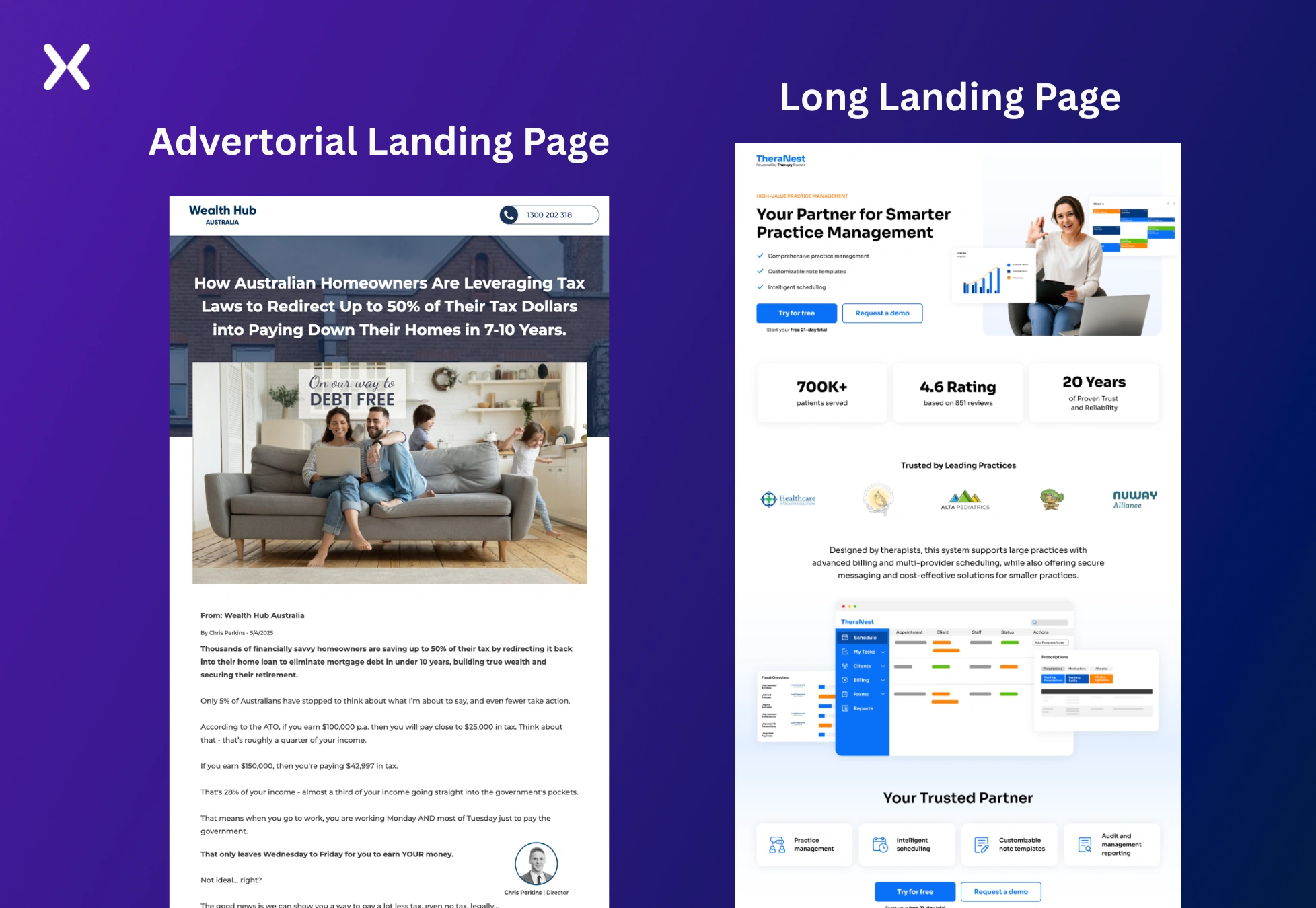
Now, what are these two landing pages about? Advertorial landing pages fuse informational and promotional content. These pages educate users about a specific problem and subtly present your product as the solution. Though advertorials can look like blog posts, their primary aim is conversion. Long landing pages contain detailed content such as product descriptions, USPs, testimonials, etc. They look like product or service pages but without all the usual distractions.
Don't Know Which Landing Page to Choose?
This video will help you understand all the different types of landing pages you can use to get conversions.
3. Craft High-Quality content
As AI cracks down on low-quality content, filling your landing page with SEO content won’t be enough. It needs to be user-friendly as well. The content on your landing page should be clear, relevant, and engaging to keep visitors interested and guide them toward conversion. Quality content not just helps you rank better in search engines but also builds trust with your audience.
Key elements of landing page for organic traffic:
-
Strong Headlines and Subheadings Your headings should clearly explain what your product or services offer. Subheadings must break the content into a digestible format for the visitors. When it comes to choosing between clever copy and clarity, always choose straightforward messaging.
-
Clear Value Proposition Your USPs are what will make the visitors interested and convert. Address pain points with the exact product value propositions that solve them. Make sure you spread your USPs all across your landing page for repeated messaging.
-
Engaging Copy Write in a conversational tone that speaks directly to your target audience. Avoid jargon and keep your language simple and easy to understand.
-
Strong Calls to Action (CTAs) You just can’t go wrong with CTAs. Organic landing page CTAs should only lead to conversions and not any other page. They need to be action-driven while using words like: get, start, do, explore, etc.
-
Visual Elements Include relevant images, videos, or infographics that illustrate your product’s value and help break up large blocks of text. Visuals can also improve user engagement and retention.
-
Customer Testimonials and Case Studies Social proofs like testimonials, case studies, or user-generated content (UGC) work great for not just winning visitor trust but also for search engine rankings. Just like your USPs, spread your social proof throughout your landing page.
Pro tip: For SERPs dominated by blog posts, you might stumble upon AI overviews dominating the top of the results. In such cases, generative AI extracts the most relevant parts of your content for summaries. Use concise, authoritative, and structured content to increase the chances of being featured in AI-generated search responses.
4. Landing page On-Page SEO
Now let’s focus on the thing you’re here for. How to execute search engine-optimized landing pages. On-page SEO refers to optimizing individual web pages, in this case, your landing pages. Here we will cover the basics of on-page SEO for landing pages.
- Title Tag Optimization Meta tags entail two components: meta title and description. These are the preview texts that appear on SERPs when your targeted keyword or something relevant to it gets searched. Your meta tags should include your targeted keyword and be both descriptive and strong to encourage clicks. Try to keep your meta title under 60 characters and meta description under 160 characters.
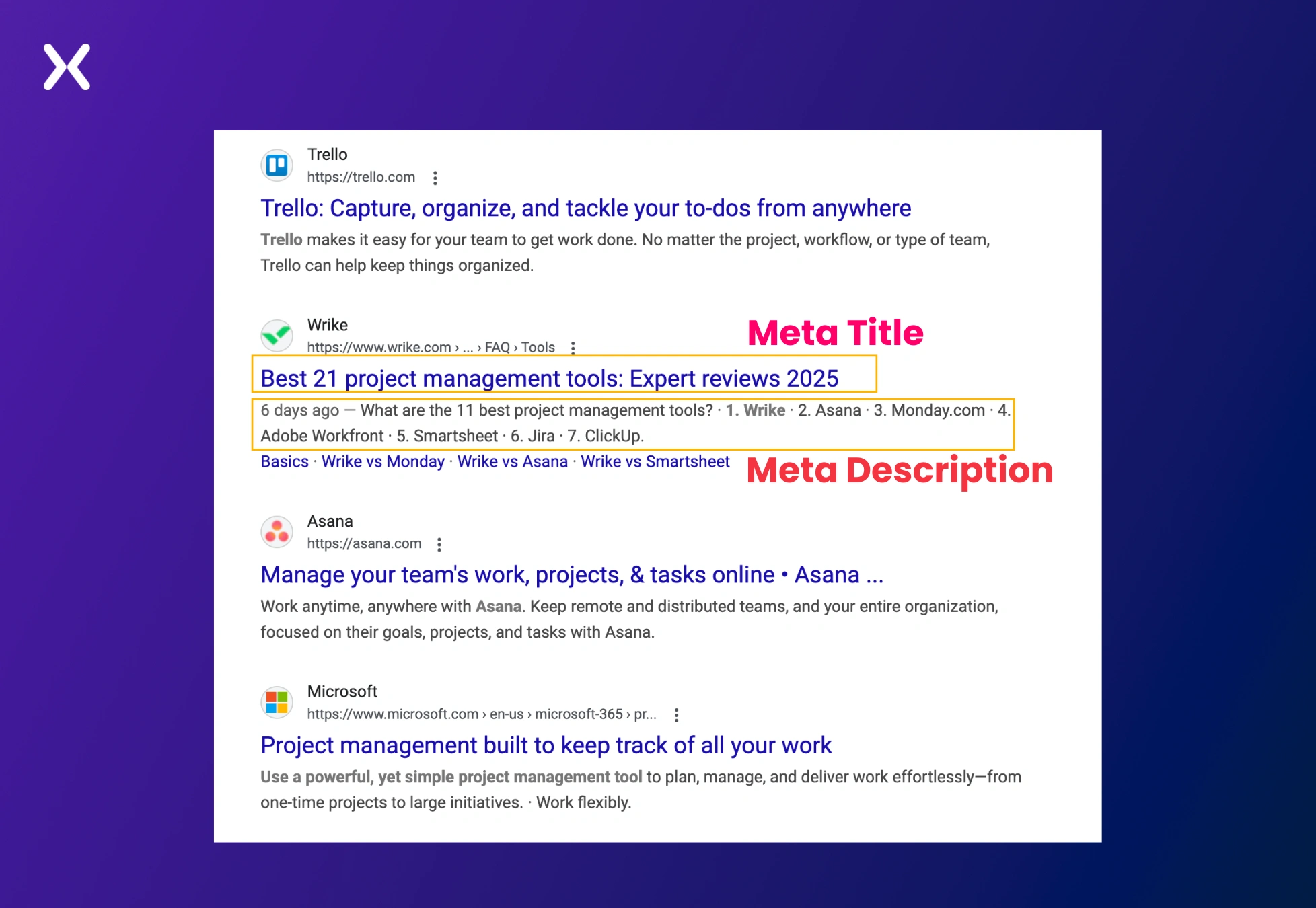
Example Meta Title: Best 21 Project Management Tools: Expert reviews 2025 Meta Description: What are the best project management tools? 1. Wrike 2. Asana 3. Monday.com 4. Adobe Workfront 5. Smartsheet 6. Jira 7. Clickup
How to check your meta tags? Download the extension SEO META in one click. Once downloaded, go to the page you want to check meta tags and click on the extensions icon. Along with meta tags, you will get other information about your pages as well, like header, images’ alt tags, etc., which we will cover next.
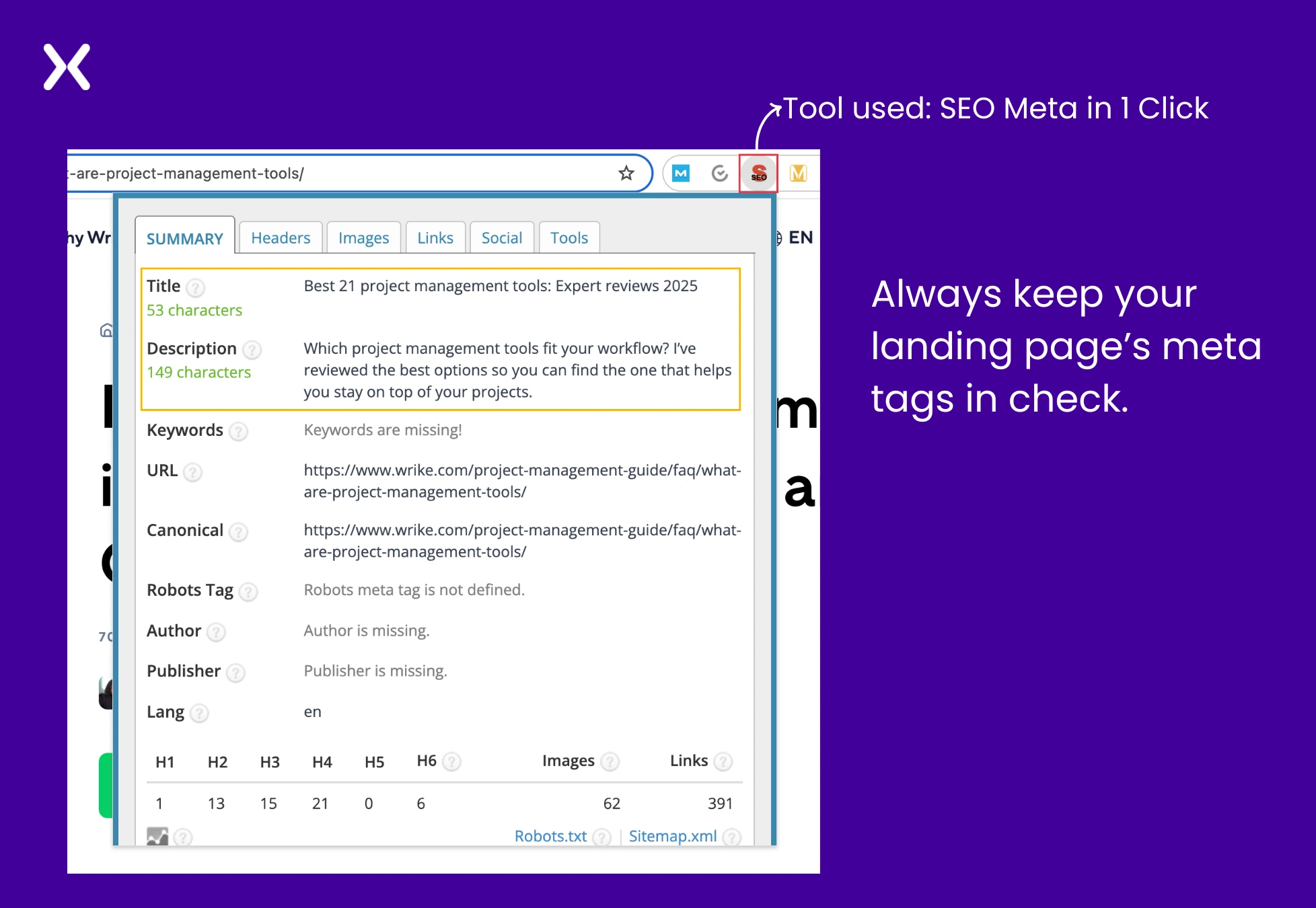
PS: Your meta title can differ or be longer than your page’s main title, just make sure it conveys the same core message. And your meta description can differ from the one you set as sometimes search engines pick meta description on their own.
- Header Tags (H1, H2, H3) Usage Header tags help structure your content and make it easier for both search engines and users to understand. The H1 tag should contain your main keyword and clearly describe the page’s focus. Use H2 and H3 tags for subheadings to break up content and make it scannable. Example: H1: “Best Project Management Software for Teams” H2: “Features of [Your SaaS Name]” H3: “Time-Tracking Tools for Remote Teams” You can check your header tag setup on SEO META in 1 click extension.
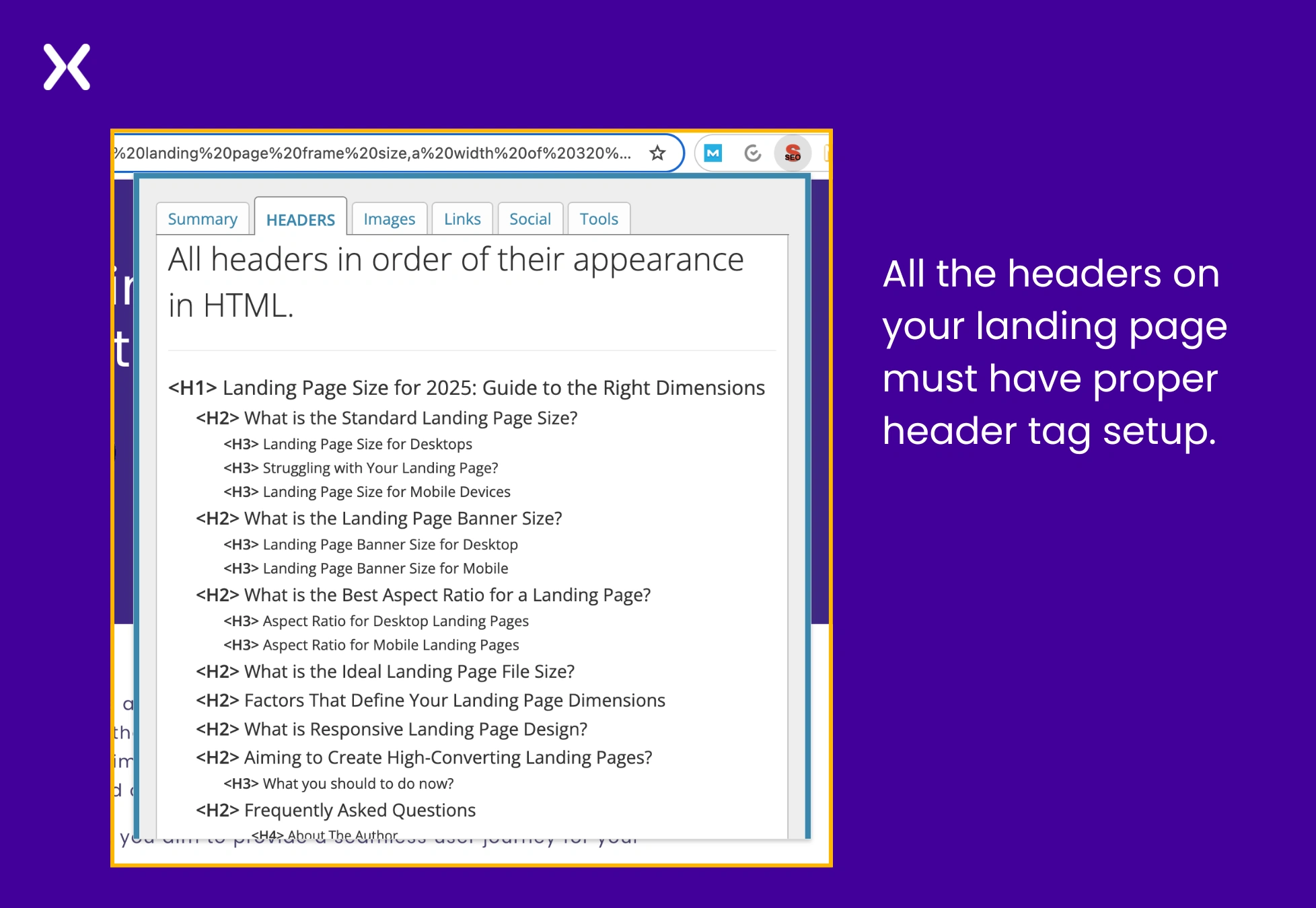
- URL Structure and Optimization Your landing page URL should be clean, short and include your primary keyword. Avoid using numbers, special characters, or even a spacebar in your URLs. A simple SEO-friendly is easier for search engines to index and users to remember.
Example: www.yoursaas.com/project-management-software
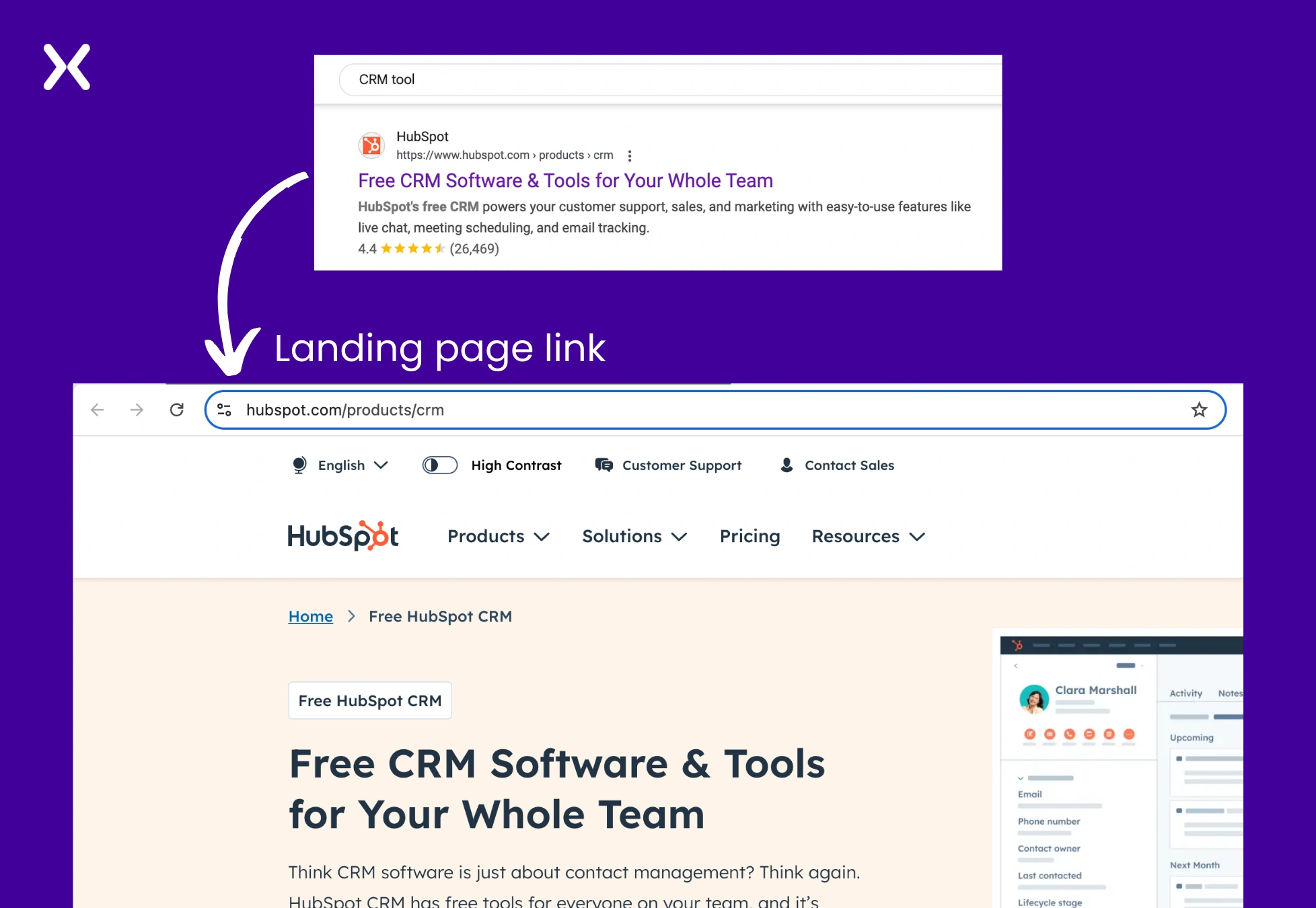
URLs with spaces like www.yoursaas.com/project management software, appear like this: www.yoursaas.com/project%20management%20software, which we want to avoid.
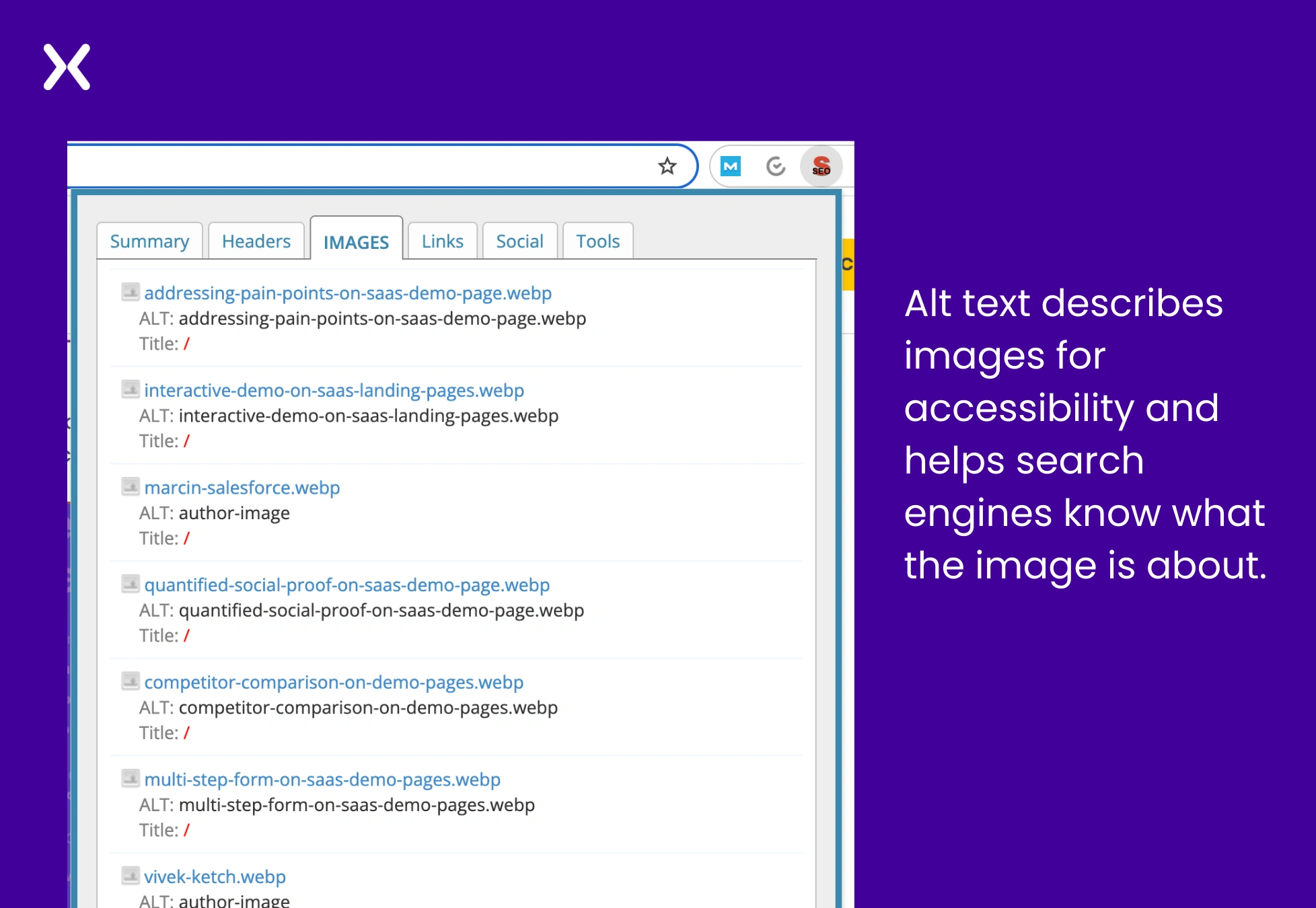
- Image Optimization While good-quality images bring in user engagement, optimized images bring in better rankings. You need to use descriptive file names and alt text for your landing page images. Images in the format of jpegs and PNGs might slow your page speed. To stay on the safe side, use WebP format for images to maintain quality without increasing load time. Enables lazy loading to improve page performance and user experience.
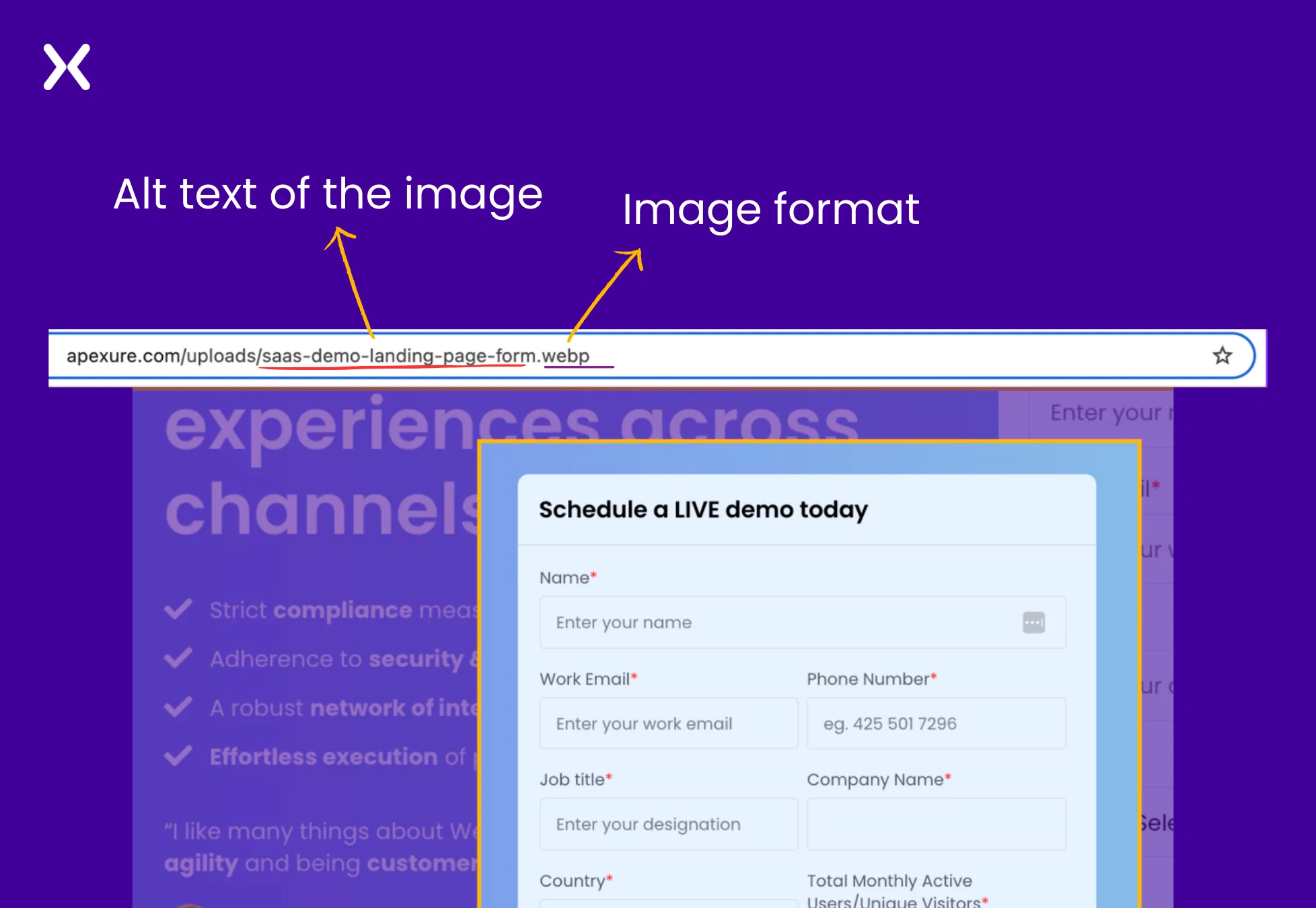
Example: File name: “project-management-dashboard”
Alt text: “project-management-dashboard-for-team-collaboration-in [Your SaaS Name]”
How to check your alt texts? Go to the images section on SEO META in one click extension’s image tab and check the alt text for all your images.
-
Internal Linking Strategy Link to other relevant pages on your website to help both users and search engines navigate to your landing page. This improves your site’s overall SEO and helps distribute link equity across your pages. Include anchor text that is natural and relevant to the linked landing page. But remember, your landing page should not include any external links or links to any other page of your website, as they can distract users and reduce conversion chances.
-
Content Quality and Readability SEO-Friendly content incorporates the keyword naturally throughout the content. There is no target density to hit; write the page for the reader, use the keyword and the words around it where they belong, and drop the ones you have to force in. Search engines also prioritize high-quality content. Use short paragraphs and bullet points to get your message through with clarity. You can use tools like Hemingway Editor to check the readability level of your content. Your content should be user-focused, addressing pain points and guiding them toward conversion.
-
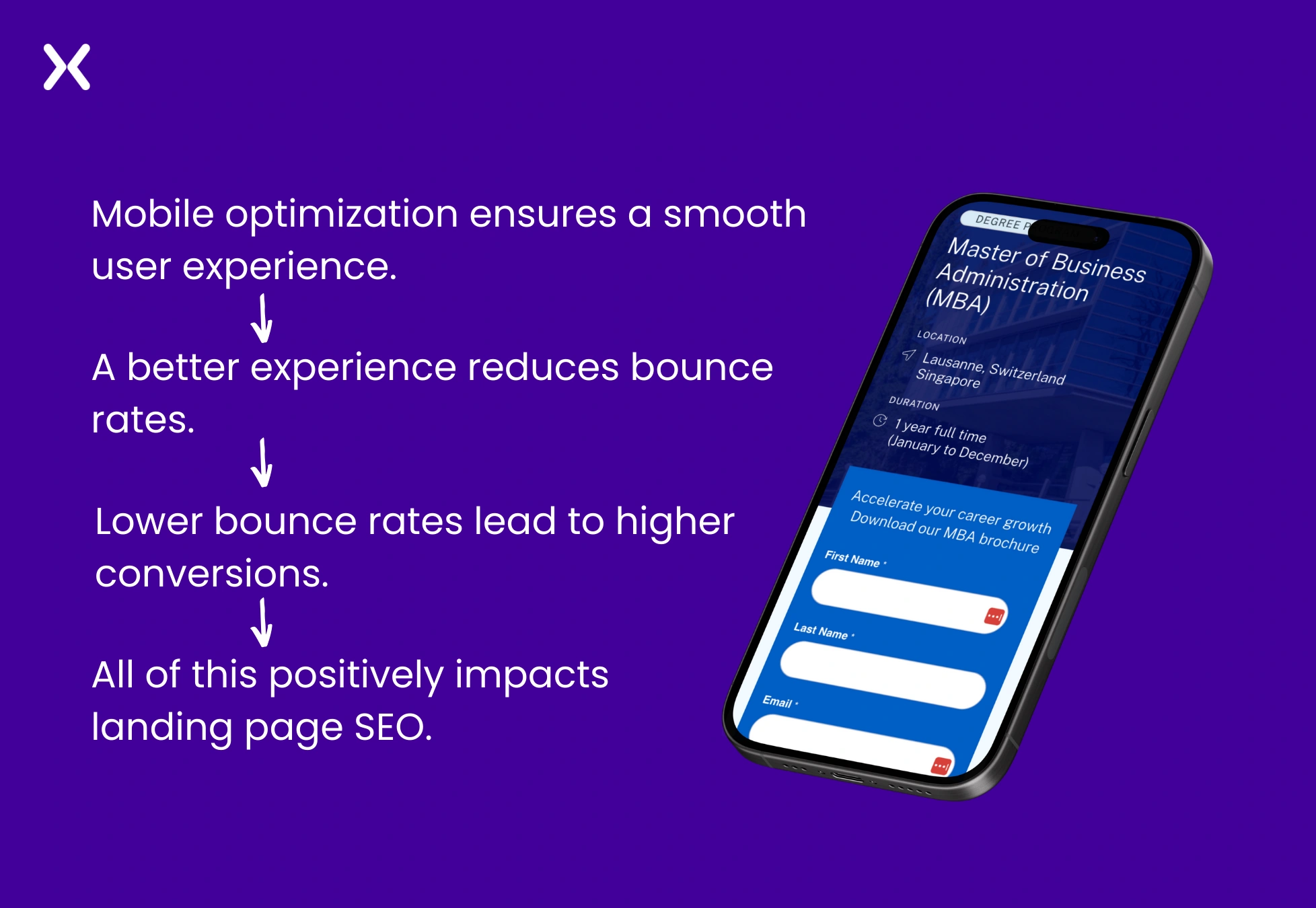
Mobile Optimization Visitors can arrive on your organic landing page from mobile devices as well. So, it is essential to make sure it is ready for that. Make sure your page loads quickly on mobile, and the content is easy to read and navigate on smaller screens. Google’s mobile-first indexing means this is a critical factor for rankings.
5. Implement technical SEO
Technical SEO is what goes on at the backend of your landing page. Good technical SEO makes sure that your page gets crawled and updated on the search results on time. Let’s see some necessary components of technical SEO.
-
Make sure HTTPS Security Using HTTPS (HyperText Transfer Protocol Secure) is necessary for both security and SEO. Google uses HTTPS as a ranking factor, and users expect secure web pages, especially when sharing personal information. Make sure your site is secured with an SSL certificate to protect user data and improve trust.
-
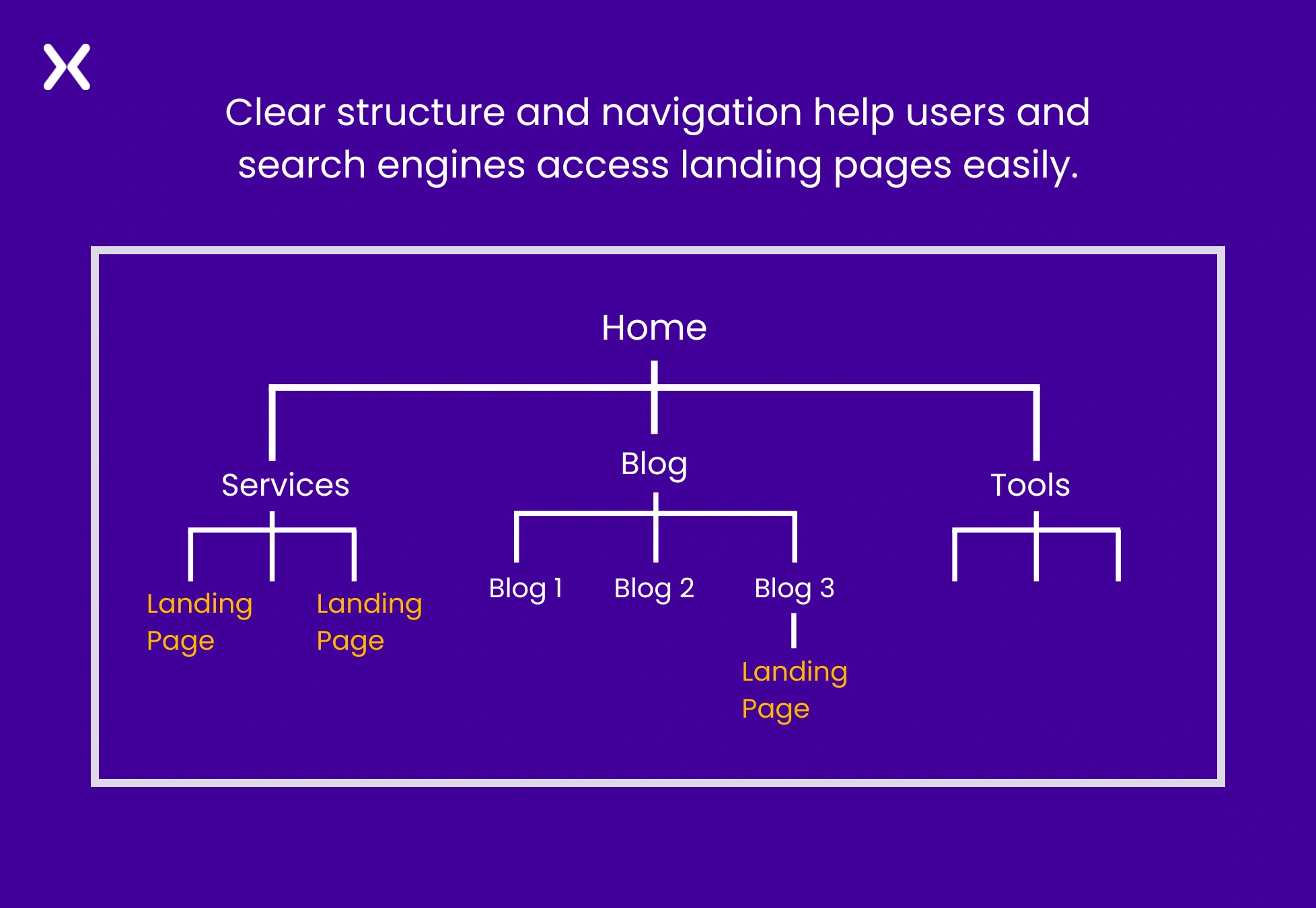
Optimize Site Architecture A well-organized site architecture helps both users and search engines navigate your website easily. Make sure that your landing pages are easily accessible within a few clicks from the homepage, with a logical hierarchy and clear navigation.
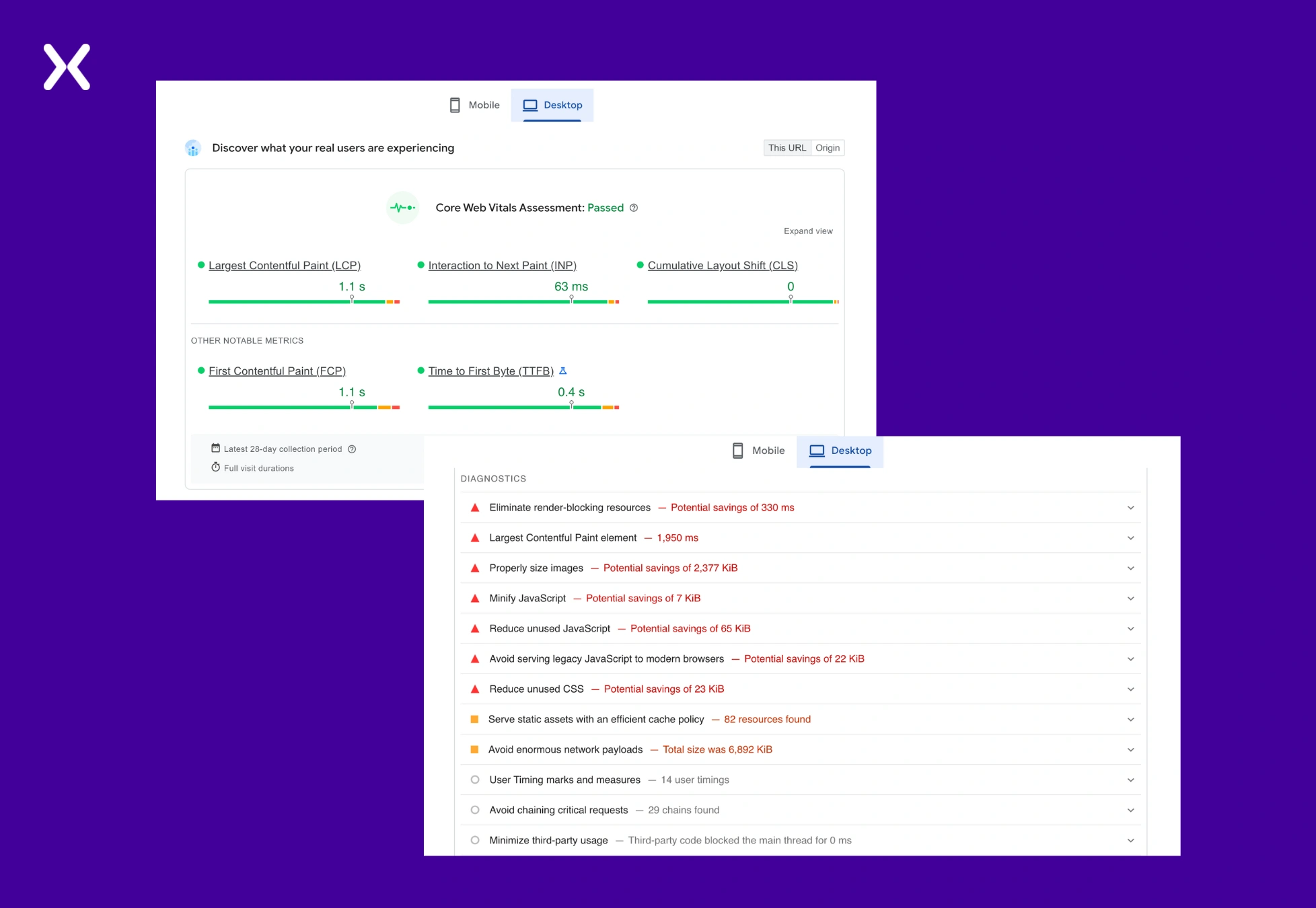
- Improve Site Speed and Performance Page load speed is a critical ranking factor. A slow page can hurt both user experience and SEO. Use tools like Google PageSpeed Insights or GTmetrix to analyze your landing page speed. Optimize images, minify CSS and JavaScript files, and use browser caching to improve loading times.
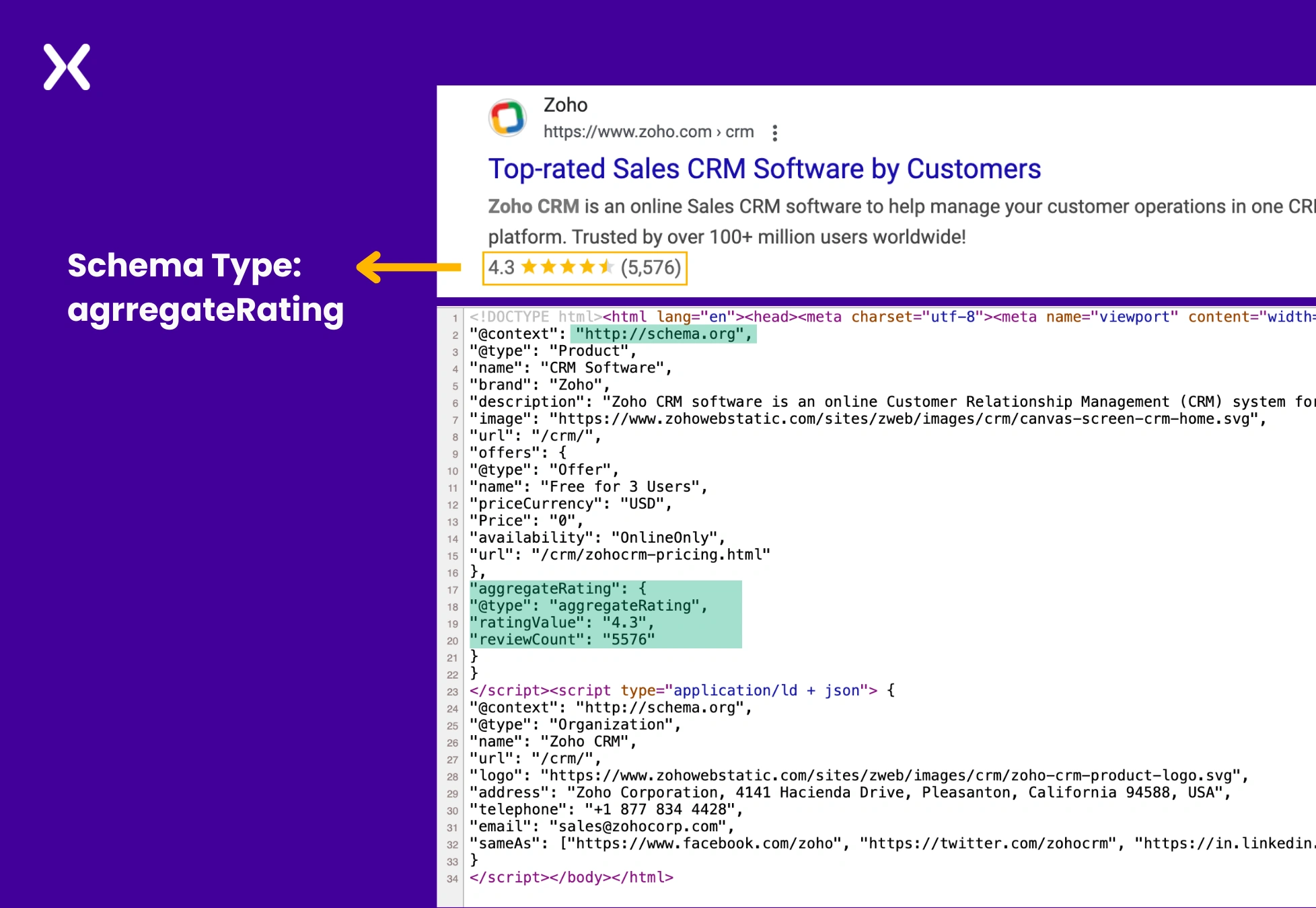
- Implement Structured Data (Schema Markup) Adding structured data (Schema Markup) to your landing page helps search engines understand your content better and can improve your visibility in search results. For example, adding schema for reviews, ratings, or product features can lead to rich snippets, which stand out in search results.
6. Build Off-Page SEO
Off-page SEO revolves around backlinks. It shows how many reputable websites trust and link to your landing page, signaling authority to search engines. Landing pages rarely attract links on their own, so you will have to go and earn them - through digital PR, partner and supplier sites, industry directories and genuinely useful assets people cite. Buying links is against Google’s link spam policy and puts the page at risk, so leave that alone. We would advise five parameters to look into while building backlinks:
-
Make sure the linking website is relevant to your industry or niche.
-
Focus on acquiring backlinks from high-authority, reputable websites.
-
Use descriptive and natural anchor text that fits the linked content.
-
Build backlinks from a variety of sources to create a natural link profile.
-
Aim for backlinks placed within the content itself, rather than in footers or sidebars, for better impact.
Want To Learn How To Increase Your Domain Rating?
A good domain rating means that your site has a healthy amount of backlinks. Learn through this video about how you can boost your domain rating.
7. Monitor and track performance
To track the performance of your search-engine-optimized landing page. You can use free tools like Google Search Console (GSC) and Google Analytics or paid tools like Ahrefs. These tools will not just help you analyze your performance but also how you can make it better. For example, once your landing page gets indexed, you can check GSC for the queries it is appearing for in the SERPs and optimize it further accordingly. Google Analytics provides valuable metrics, such as bounce rate, average session duration, and more, helping you gain deeper insights into your performance.
As we are dealing with landing pages, A/B testing is necessary to improve your conversions. With such continuous refining based on performance data makes sure that your landing page remains effective and matched your goals.
Landing page SEO done right
Landing page SEO helps you get organic traffic and conversions over time. Though it takes longer than PPC ads to secure a steady flow of leads. It is worth it in the long run. You can also use your optimized landing pages to drive traffic from social media directly to them. By selecting the right keywords, crafting high-quality content, implementing on-page and technical SEO, and using off-page tactics. You can create a landing page that not just attracts traffic but also drives results. Don’t forget to track and test your landing pages continuously to make sure optimum results. With the right SEO strategies in place, your landing pages will rank higher and bring in expected growth.
What you should do now
Found this blog post helpful? Here are more ways in which we can help you in Landing Page SEO:
- Building an SEO landing page
Do you know Apexure has 100+ blog posts on landing pages? We have shared everything, from creation to testing, analysis to optimization. Check it out before you build your SEO landing page.
- Get the right help
Making a landing page on your own with just examples can take a lot of time. Get the help you need from our experts. Book a call and one of our experts will contact you soon.
- Your pages might be missing something
Check out our landing page portfolio to discover conversion-friendly landing page elements that might. Filter your industry and check which landing page design is trending.
Frequently asked questions
It needs relevant keywords, fast loading speed, mobile-friendliness, clear headings, optimized images, and strong internal linking to rank and convert well.
Compress images, use caching, minimize code, and choose fast hosting. Tools like PageSpeed Insights help spot and fix speed issues quickly.
An SEO landing page targets organic traffic with keyword-rich content and technical optimization, while a PPC landing page focuses on converting paid traffic with minimal distractions and message match.
Yes, they add valuable content, help with long-tail keywords, and can appear in Google’s rich results when marked up with FAQ schema.

Waseem founded Apexure in 2015 and has led its work on 3,000+ pages for 300+ clients since. He writes about what the team sees after the click, which is pages, forms, tracking and the systems behind them.